
About the service
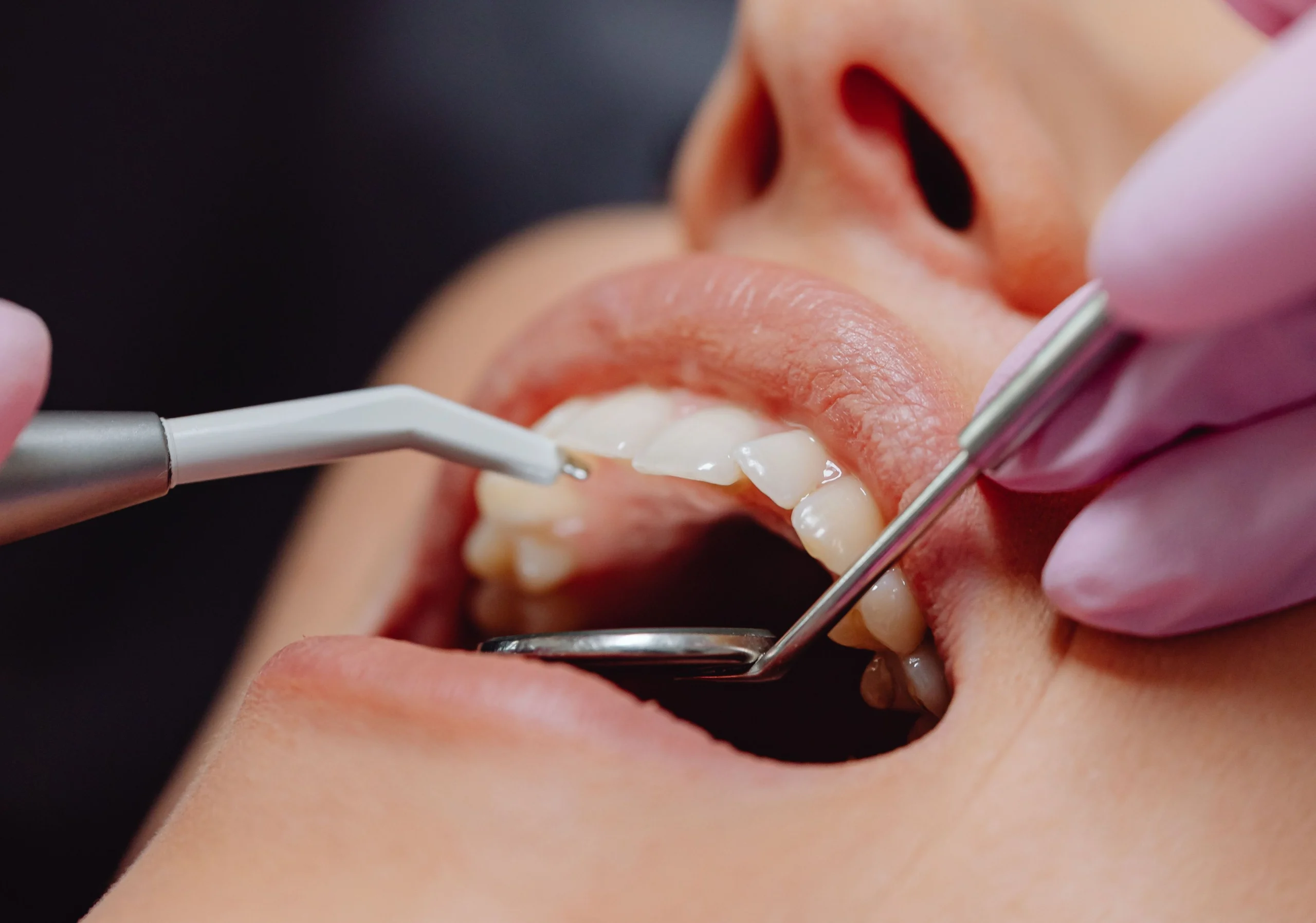
Healthy teeth mean not only an attractive smile but above all everyday comfort and the health of the whole body. At Medeor Clinic in Poznań (in the Morasko and Naramowice districts), conservative dentistry is the foundation of patient care. We focus on prevention, early detection of lesions and effective treatment of the effects of tooth decay. Using modern materials and working methods, such as treatment under a rubber dam, we aim to preserve the natural tooth tissue and restore its full function and appearance.
Conservative dentistry treatments – what does the treatment involve?
The main aim of conservative dentistry is to keep a tooth vital for as long as possible. Responding quickly to new lesions helps avoid complications that could lead to the need for endodontic (root canal) treatment.
At our dental practice in Poznań, the procedures cover a wide range of treatments:
- Treatment of carious cavities: removing the damaged tissue and sealing the cavity tightly with a filling.
- Tooth restoration: rebuilding lost parts of the tooth crown with composite materials.
- Micro-invasive treatment of discolouration (ICON): a method of treating early carious lesions (white spots) without a drill.
- Treatment of tooth sensitivity: desensitising treatments that relieve pain triggered by hot and cold.
Every treatment is preceded by an assessment of the teeth. The dentist checks for areas of decay, the condition of the gums and any leaks in old fillings.
Tooth decay and its symptoms – when should you see a dentist?
Tooth decay is an infectious disease of the hard tissues of the tooth, closely linked to the presence of bacteria in the mouth and a diet rich in sugars. The early stage of decay can be hard to see with the naked eye, which is why regular check-ups are so important.
Signs that should prompt you to book an appointment straight away include:
- Toothache: it may come on by itself or when eating sweet, cold or hot food.
- A visible cavity: a hollow you can feel with your tongue, chipped enamel or dark spots on the tooth surface.
- Food getting trapped: if dental floss frays or food gets stuck between your teeth, it may be a sign of a cavity on the contact surface.
- Sensitivity: a sharp, brief pain when breathing in cold air.
Left untreated, decay progresses deeper into the tooth, destroying the enamel and dentine until it reaches the dental pulp, which means severe pain and the need for root canal treatment.
How are cavities treated? Rubber dam and composite fillings
At Medeor Clinic, precision and long-lasting results are our standard. To ensure the highest quality, conservative treatment at our practice uses procedures that make the treatment more effective.
The key stages of treatment are:
- Anaesthesia: every treatment, including small, medium and large fillings, is carried out under anaesthesia (included in the price of the appointment), which makes it completely painless.
- Isolating the treatment area (rubber dam): the dentist places a special rubber sheet (rubber dam) that separates the tooth being treated from the rest of the mouth. This keeps the working area dry, protects the patient from inhaling instruments and fluids, and ensures a better bond between the material and the tooth tissue.
- Preparing the cavity: using the right instruments, often under magnification (microscope, loupes), the dentist removes the infected tissue. With deep cavities below the gum line, a gingivectomy (gum correction) may be needed to expose the edge of the cavity and allow a tight restoration.
- Filling the cavity: we use modern light-cured composite materials for the restoration. They allow the shape, cusps and fissures to be rebuilt layer by layer, restoring normal chewing function.
- Polishing: the final stage is making the filling smooth and glossy so that it cannot be told apart from the natural teeth.
Aesthetic restoration and prevention – more than treating decay
Conservative dentistry also includes treatments that improve the look of your smile, as well as prevention. For front teeth that are damaged or unsightly discoloured, we offer composite restoration (bonding). It corrects the shape and colour of a tooth in a single visit, without having to grind the tooth down for crowns.
For patients with white spots on their enamel (often after orthodontic treatment), we offer the ICON treatment. It is an innovative method of infiltration with a liquid resin that masks the lesions and stops early decay without drilling.
Remember that how long any filling lasts depends on oral hygiene. Preventive treatments, such as removing tartar (scaling) and stains, are an essential addition to treatment. Our specialists show you how to look after your teeth properly to minimise the risk of the disease coming back.
Price list – Conservative dentistry (Poznań)
Below are the prices of selected conservative dentistry procedures. At Medeor Clinic we believe in transparency – filling prices already include anaesthesia and work under a rubber dam, which is our standard practice.
- Small filling under a rubber dam – 350 PLN
- Medium filling under a rubber dam – 450 PLN
- Large filling under a rubber dam – 500 PLN
- Direct overlay – 700 PLN
- Composite restoration under a rubber dam – 700 PLN
- Temporary filling – 300 PLN
- Conservative gingivectomy (1 tooth) – 150 PLN
- Desensitisation (relieving sensitivity) – 100 PLN
- ICON – treatment of discolouration – 350 PLN
This price list is for information only and does not constitute a commercial offer within the meaning of Article 66 § 1 of the Polish Civil Code.
Book a check-up
If you care about the health of your teeth, don’t put off your appointment. Our Medeor Clinic dental practice in Poznań provides professional diagnosis and treatment in comfortable surroundings. Contact us to have your teeth checked and the right treatment chosen