
About the specialty
What is a gastroscopy?
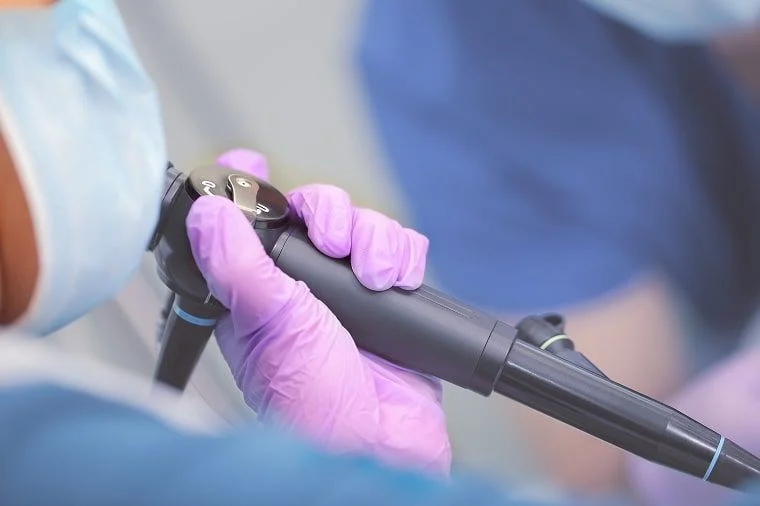
A gastroscopy is a diagnostic examination that allows the condition of the upper gastrointestinal tract, including the oesophagus, stomach and duodenum, to be assessed. During the examination the doctor passes a flexible tube called a gastroscope, fitted with a camera and a light source, through the patient’s mouth. The image from the camera is shown on a colour monitor, which allows an accurate assessment of the mucosa and the detection of any changes, such as polyps, varices or inflammation of the mucosa.
Indications for gastroscopy
Gastroscopy is recommended in the diagnosis and treatment of many digestive disorders. Indications for it include, among others:
1. Symptoms of gastro-oesophageal reflux disease.
2. Suspected gastric or duodenal ulcer disease.
3. Problems with swallowing.
4. Bleeding from the upper gastrointestinal tract.
5. Unexplained weight loss.
6. Suspected polyps or varices.
7. Diagnosis of Helicobacter pylori infection
8. Monitoring the condition of the gastrointestinal tract in chronic diseases.
Preparing for a gastroscopy
Examinations like this can be stressful, which is why it is so important for the patient to be given the right conditions: calm, full and thorough information and empathetic care. How should you prepare? Your doctor will give you detailed instructions at the appointment before the examination, but it is worth learning the general rules now:
1. Do not eat or drink for at least 6 hours before the examination
2. Discuss the medicines you take with the doctor and tell them about all your illnesses, to rule out any contraindications.
3. Depending on your needs, you can have the examination under local anaesthesia (e.g. lidocaine spray), whereas a gastroscopy under general anaesthesia also requires a consultation with an anaesthetist beforehand.
The day before the examination:
- eat a light supper by 18:00 (no milk, raw fruit or vegetables),
- you can drink as many still (non-carbonated) drinks as you like.
On the day of the examination:
- do not eat or drink anything for at least 6 hours before the examination,
- do not smoke for at least 2 hours before the examination,
- do not chew gum,
- bring with you: a paper copy of your referral for the examination, your medical records, and ECG and blood test results.
How the examination goes
Although a gastroscopy does not have pleasant associations, there is nothing to be stressed about – many people say after the examination that "it wasn’t as bad as it’s made out to be". If you choose general anaesthesia, you will simply fall asleep and wake up when it is all over. If, on the other hand, you decide on local anaesthesia, the doctor will give you instructions on what to do throughout the procedure and explain what is happening at each moment. If necessary, the doctor may take biopsies for histopathological examination during the gastroscopy, which allows cancerous changes or other abnormalities to be detected.
What is a colonoscopy?
A colonoscopy is a diagnostic and therapeutic endoscopic examination that allows a detailed view of the inside of the whole large intestine (the colon and, in some cases, the end section of the small intestine). It involves inserting a flexible instrument with a camera (a colonoscope) through the anus.
Indications for colonoscopy
Diagnostic indications:
- Screening: detecting bowel cancer in people without symptoms (usually after the age of 50, or earlier if there is a family history),
- Bleeding from the lower gastrointestinal tract (visible or occult blood in the stool).
- Unexplained iron-deficiency anaemia.
- Chronic diarrhoea or a change in bowel habits.
- Abdominal pain of unknown cause.
- Diagnosis and monitoring of inflammatory bowel disease (Crohn’s disease, ulcerative colitis).
- Suspected polyps or bowel cancer (e.g. based on other imaging tests or a faecal occult blood test).
Therapeutic indications:
- Removal of polyps (polypectomy).
- Stopping bleeding from the gastrointestinal tract.
- Widening narrowed sections (strictures) of the large intestine.
Preparing for a colonoscopy
7 days before the examination:
- avoid fruit with small seeds (e.g. grapes, kiwi fruit, strawberries), tomatoes, vegetable salads and seeds (e.g. linseed, poppy seeds).
2 days before the examination:
- a liquid diet only – no raw vegetables, fruit or fizzy drinks.
- you may eat: kissel (fruit jelly), pudding, plain smooth cottage cheese (with no additions).
- fluids: as much as you like (water, tea, clear broth).
How to use bowel-cleansing preparations:
Examination before 12:00 (morning)
One-day preparation (the day before):
- a prescription laxative – following the standard regimens given in the instructions for use.
Examination after 12:00 (afternoon)
Two-day preparation (the day before + the morning of the examination):
- split doses of laxatives – as recommended by the doctor or according to the instructions on the packaging.
If you have any questions about the preparation or the dose, please contact us.
On the day of the examination:
- do not eat or drink anything.
- take your regular medicines (e.g. for high blood pressure or epilepsy) with a minimal amount of water.
- patients with diabetes or taking anticoagulant medicines should consult their doctor beforehand.
- pregnant or breastfeeding women – a medical consultation is also advisable.
- bring with you: a paper copy of your referral for the examination, your medical records, and ECG and blood test results.
- do not wear make-up, nail varnish or jewellery.
Admission to the clinic:
- arrive 30 minutes before your appointment time,
- if the examination is performed under general anaesthesia, come with someone accompanying you. You must not drive a motor vehicle for 24 hours after the examination,
- bring with you: an identity document, the results of the required tests and a paper copy of your referral for the examination,
- the examination time may be delayed – thank you for your understanding.
Price list
Specialists and their prices
dr n. med. Waldemar Malewski
Gastroenterology consultation for adults
350 PLN
15 min
Gastroenterology consultation for children
380 PLN
15 min
Endoscopy
Gastroscopy under general anaesthesia
An anaesthetic consultation is charged in addition to a gastroscopy under general anaesthesia.
990 PLN
30 min
Gastroscopy under local anaesthesia
540 PLN
20 min
Colonoscopy under general anaesthesia
An anaesthetic consultation is charged in addition to a colonoscopy under general anaesthesia.
1450 PLN
30 min
Colonoscopy + gastroscopy under general anaesthesia
An anaesthetic consultation is charged in addition to a procedure under general anaesthesia.
2090 PLN
45 min
Anaesthetic consultation
190 PLN
Histopathology (1 to 3 lesions), 1 block
120 PLN
Polypectomy (1 lesion)
300 PLN
Helicobacter pylori test
70 PLN