
About the service
With allergic diseases on the rise, precise and early diagnosis is the basis for the right medical care. Medeor Clinic medical centre, in the north of the city (Poznań, near Morasko and Naramowice), gives patients access to modern allergy diagnostics. We offer medical assessment and appointments at short notice, which for many people is a convenient alternative to long waiting times with the NFZ, Poland’s public health fund. Our clinic is a place where patients receive comprehensive care – from the first history and analysis of symptoms all the way to treatment.
Indications for testing – when should you see a specialist?
An allergy is an abnormal reaction of the immune system to an allergen in the environment. It can affect adults and young children alike. When should you consider allergy tests? The indications include situations in which your body sends warning signals. Common symptoms include a chronic runny nose, a persistent cough, watery and stinging eyes, as well as unexplained skin changes, itching or digestive complaints.
A suspected allergy most often involves a reaction to pollen (e.g. from plants in the pollen season), mould spores, house dust mites or animal dander, and in some cases also to a particular medicine or food allergen. To establish the exact cause, the allergist chooses the right diagnostic tool. Medicine offers a variety of methods, such as laboratory tests (blood – including specific IgE) and skin tests (often aimed at inhalant allergens), and in selected cases immunotherapy is the ultimate form of care. For chronic skin problems, however, specialist contact patches prove invaluable.
TRUE TEST 36 Poznań – modern contact allergy diagnostics
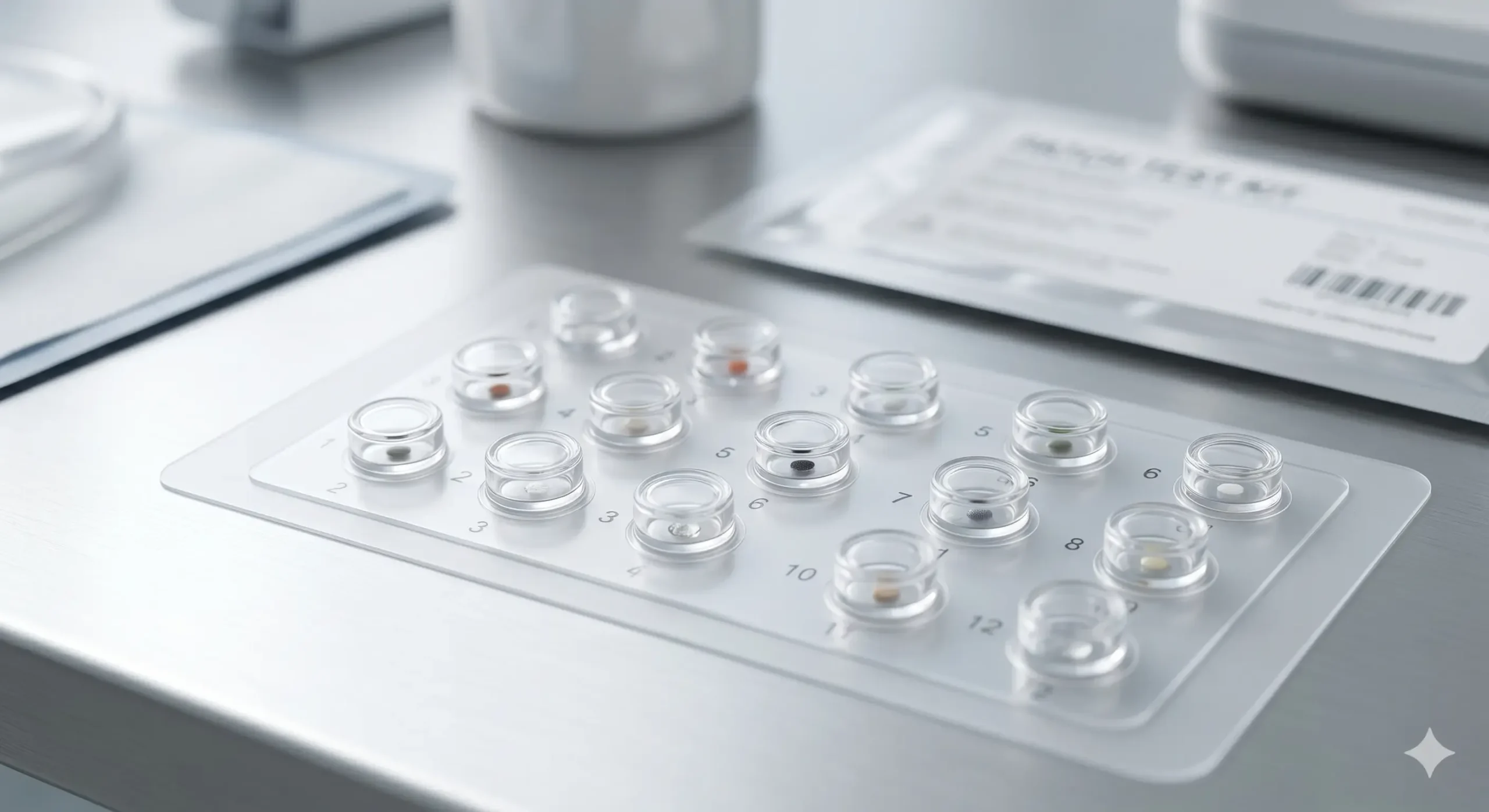
For patients whose main problem is troublesome skin conditions, Medeor Clinic offers a specialist solution: the TRUE TEST 36. It is a proven and reliable TRUE TEST for allergies, used to check for contact allergies.
TRUE TEST is a modern diagnostic test that helps detect contact allergy and identify which substances cause skin reactions. Special patches containing a set of the 36 most common contact allergens are applied directly to the patient’s skin. The test is completely safe and non-invasive, and is particularly recommended for people with chronic skin changes, itching, redness or suspected allergic contact dermatitis.
An accurate diagnosis makes it possible to avoid the allergenic substances effectively and to start the right treatment. The service includes comprehensive care: a history, a consultation with an allergy specialist, a detailed interpretation of the results and individual advice on further management and prevention.
Reading the results and summing up the diagnosis
A key part of diagnosing and treating allergic diseases is a proper analysis of the information gathered. With contact patches, the results are read by a specialist 48 and 72 hours after the tests are applied. This schedule allows a precise assessment of the body’s allergic reactions. On this basis the allergist determines the result and whether a given factor is responsible for the patient’s condition.
Arranging tests at Medeor Clinic
Our reception staff can tell you who is eligible for the tests, how to prepare for the patches and what allergy diagnosis and treatment at our clinic involve. You can contact Medeor Clinic in person at the clinic or by phone during opening hours.