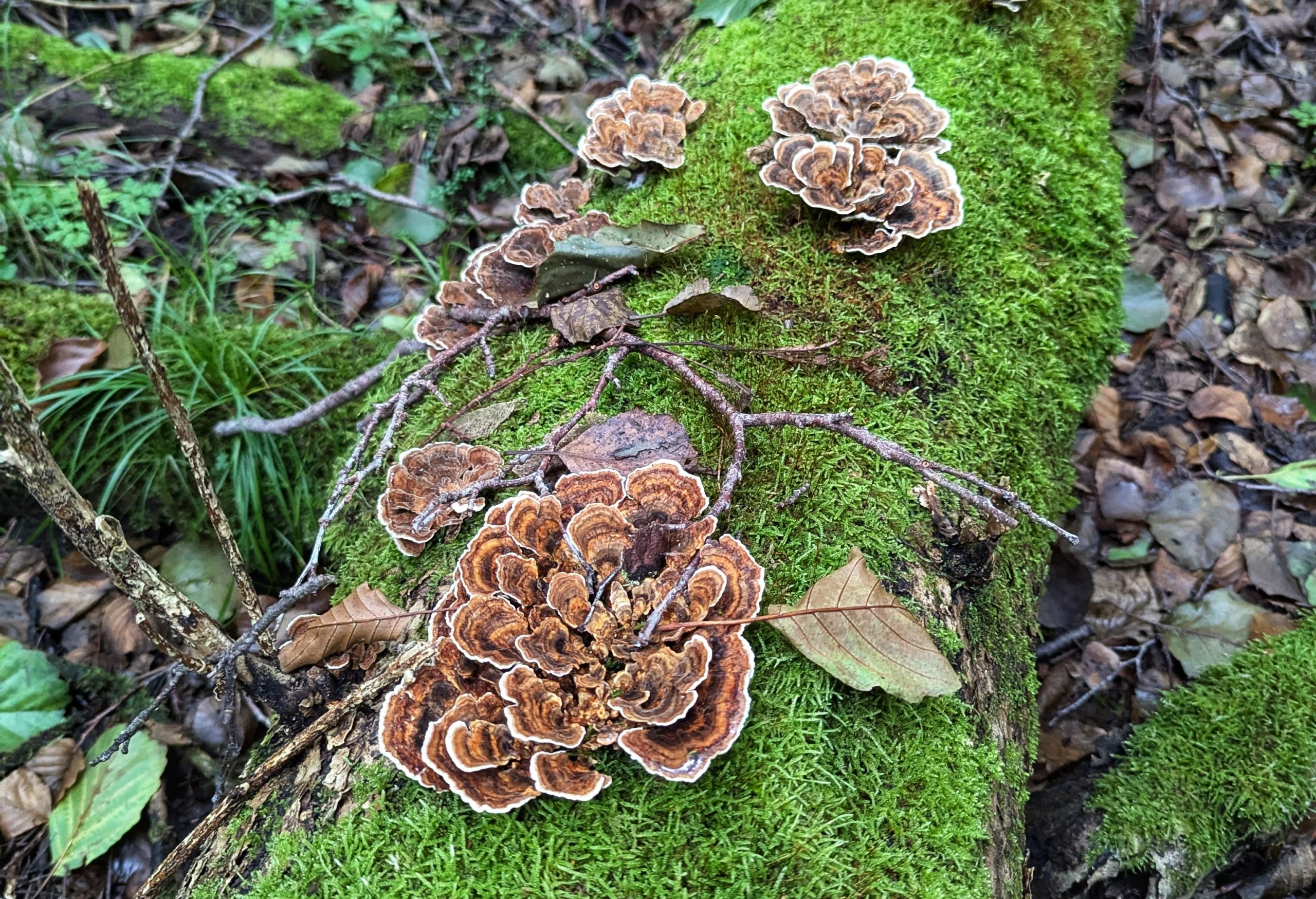
Autumn is the time when Poland’s forests fill up with mushroom-picking enthusiasts. Thanks to wider knowledge about mushrooms, information on the internet, dedicated apps and social media groups, this autumn pastime is becoming ever more popular. Mushrooms have been an important part of Polish cuisine for centuries, but are they healthy? Let us take a closer look at their properties.
Edible mushrooms and their health benefits
Edible mushrooms, such as porcini (ceps), chanterelles, button mushrooms and bay boletes, are not only tasty but, contrary to popular belief, also contain many valuable nutrients that can benefit our health.
First of all, mushrooms are low in calories and consist of about 70-90% water. Their dry matter is mainly protein, which is why they are called "the meat of the forest". Mushrooms are also a source of fibre, which improves bowel movements (peristalsis) and prevents constipation.
Some mushrooms, such as the oyster mushroom, have been found to contain beta-glucans, which stimulate the immune system and lower LDL cholesterol levels in the blood.
Mushrooms also contain many vitamins and minerals. They are rich in B vitamins, especially B1, B2 and B3, as well as vitamin D2, which is rarely found in plant foods. They also contain potassium, iron, calcium, phosphorus, iodine, selenium and magnesium salts.
Can edible mushrooms be harmful?
Although mushrooms do contain many valuable nutrients, they do not contain enough of them to meet our body’s needs. They are also fairly hard to digest, so eating large amounts is not recommended for some people. Species widely regarded as edible can also poison you if they are too old, badly stored or spoiled. Some edible species can only be eaten under certain conditions – for example, the common ink cap must never be combined with alcohol! It contains coprine, a compound that blocks the breakdown of alcohol, which risks serious poisoning. So every time you add a new species of mushroom to your diet, read up and find out whether, and under what conditions, it is safe.
Remember that mushrooms in any form are not recommended for children under 12.
Inedible mushrooms and their use in medicine
Not all mushrooms are fit to eat, but many of them are used in medicine. One example is reishi, also known as lingzhi (Ganoderma lucidum), which has been used in Chinese medicine for thousands of years. Reishi has anti-inflammatory, anti-cancer and immunomodulatory properties. Another example is chaga, a fungus that grows on birch trees, which is rich in antioxidants and may support the immune system.
Warnings and safety
Despite the many health benefits of mushrooms, picking them can be dangerous without the right knowledge. Many species of poisonous mushrooms grow in Poland, and they can easily be mistaken for edible ones. Eating poisonous mushrooms can lead to serious poisoning and even death. That is why it is important to pick mushrooms only when we are sure of their identification, or to rely on the advice of experienced mushroom pickers.
Relaxation and health in the fresh air
Picking mushrooms is not only a way of getting tasty ingredients for your meals but also an excellent form of relaxation and physical activity. Walking in the forest, breathing fresh air and being in contact with nature have a positive effect on our mental and physical health. It is a great opportunity to get away from everyday duties and spend time in the great outdoors.
In summary, mushrooms are a healthy and valuable part of the diet, provided that they are picked and eaten with care and in moderation. Their properties and their uses in medicine make them a valuable ingredient in our cooking. But let us remember that without the right knowledge, mushroom picking can be risky. That is why it is always worth being careful and drawing on the experience of others.