
Welcome to a guide that sheds light on one of the most serious conditions of the circulatory system – heart failure. Understanding its causes, symptoms and the treatments available is key to staying healthy and improving quality of life. We will try to give you comprehensive knowledge in an accessible, easy-to-understand way, to support you on the road to feeling better and looking after your heart with awareness.
Introduction to heart failure

Definition of heart failure
Heart failure is a complex clinical syndrome resulting from the heart’s inability to pump enough blood to meet the metabolic needs of the body’s tissues, or from its ability to do so only at abnormally high filling pressures. The condition may be caused by damage to the heart muscle, which affects how the heart works by impairing its ability to contract or relax effectively. Diagnosing heart failure is key to starting heart failure treatment early and improving patients’ quality of life, as well as to preventing enlargement of the heart.
Why the symptoms of heart failure matter
Understanding and correctly interpreting the symptoms of heart failure is extremely important, because it allows early diagnosis and the right treatment. Typical symptoms, such as shortness of breath, especially during physical exertion or when lying down, and swelling of the legs, particularly around the ankles, may indicate developing chronic heart failure. Noticing these signs early and consulting a doctor allows prompt diagnosis and the start of therapy, which can significantly improve the prognosis and reduce the complications of heart failure.
Statistics on chronic heart failure
Chronic heart failure is a serious public health problem worldwide, affecting millions of people and being one of the main causes of hospital admission. The rise in cases is linked to an ageing population and better survival after acute cardiac events, such as a heart attack. Statistics show that heart failure has a significant impact on patients’ quality of life, often leading to a considerable limitation of physical activity and the need for long-term treatment.
Causes of heart failure
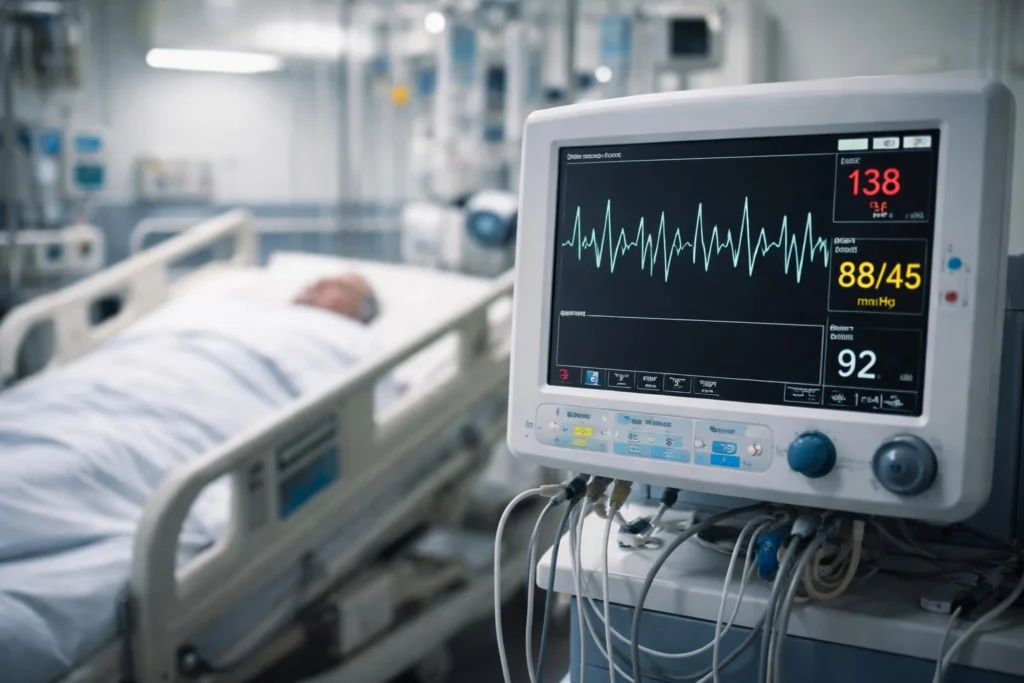
Understanding the causes of heart failure is fundamental to effective prevention and treatment. It is a complex condition, often the result of many factors adding up and gradually weakening the heart muscle. In many cases it is the consequence of long-standing, untreated cardiovascular diseases that lead to overload and damage of the heart. Early diagnosis and treatment of these underlying health problems can significantly reduce the risk of developing chronic heart failure, thereby improving patients’ quality of life.
Cardiovascular diseases as causes
The most common causes of heart failure are cardiovascular diseases that directly affect the heart’s ability to pump blood effectively. The key factors are shown below:
| Cause | Effect on the heart |
|---|---|
| Coronary heart disease (often leading to a heart attack) | The damaged heart muscle loses its ability to contract. |
| High blood pressure (untreated for a long time) | Forces the heart to work under increased load, which leads to its thickening and weakening. |
| Heart valve defects | Hinder the normal flow of blood. |
Other conditions leading to heart failure
Besides diseases of the circulatory system itself, there are also other conditions that can lead to heart failure. What is more, some infections, including viral myocarditis, can permanently damage heart tissue, leading to acute heart failure or chronic symptoms.
| Condition | Effect on the heart |
|---|---|
| Diabetes | Harms the blood vessels and increases the risk of damage to the heart muscle. |
| Thyroid disease (overactive/underactive thyroid) | Through heart rhythm disorders, it can contribute to overloading the heart. |
Lifestyle and risk factors
Lifestyle plays a key role in the development of heart failure. Obesity, lack of physical activity, an unhealthy diet high in sodium and fat, and smoking significantly contribute to the development of heart disease and, as a consequence, heart failure. Reducing these risk factors through changes in lifestyle is extremely important for prevention and for supporting treatment.
Symptoms of heart failure

Diagnosing heart failure often relies on a careful analysis of characteristic symptoms, which can significantly worsen the patient’s quality of life and lead to enlargement of the heart. Remember that the symptoms of heart failure may be subtle at first and get worse over time, which is why paying attention early to the signals your body sends is key to prompt diagnosis and starting treatment. A correct diagnosis is extremely important for effective heart failure treatment and a better prognosis.
Angina and shortness of breath
Shortness of breath is one of the most typical symptoms of heart failure, often appearing even with slight physical exertion and, in advanced stages, also at rest or when lying down. This happens because the weakened left ventricle cannot pump blood effectively, which leads to fluid building up in the lungs. In addition, patients may experience breathlessness at night, which forces them to sit up to relieve it. The right diagnosis allows treatment to be started that can reduce these symptoms.
Leg swelling and other physical symptoms
Swelling (oedema), especially of the legs, ankles and feet, is another common symptom of heart failure. It results from blood backing up in the peripheral circulation when the right ventricle cannot pump blood effectively back to the lungs. Fluid starts to collect in the tissues, which leads to visible swelling. Other physical symptoms may include chronic tiredness, weakness, palpitations and rapid weight gain due to water retention in the body. Treatment often includes diuretics to reduce the swelling.
Emotional and psychological symptoms
Because of its symptoms and its impact on everyday functioning, chronic heart failure often leads to significant emotional and psychological symptoms. Patients may experience anxiety, depression, frustration at their physical limitations and a lower quality of life. Tiredness and shortness of breath affect the ability to carry out everyday activities, which can lead to social isolation. Psychological support and a holistic approach to treatment are key to helping patients cope with these challenges and improving their overall well-being.
Diagnosing heart failure

Early and accurate diagnosis of heart failure is key to effective treatment and to improving patients’ quality of life. The diagnostic process includes a range of tests that make it possible to assess how the heart muscle is working, identify the causes of heart failure and determine how advanced the disease is. This makes it possible to start personalised therapy that can significantly reduce the symptoms of heart failure and prevent the condition from progressing further. It is important that the patient feels safe and comfortable at every stage of diagnosis and treatment.
Diagnostic methods
The diagnosis of heart failure relies on several key methods that together allow a comprehensive assessment of the heart’s condition.
The foundation is a thorough medical history and a physical examination, during which the doctor looks for symptoms such as shortness of breath, leg swelling or palpitations. The other diagnostic methods are shown below:
| Diagnostic method | Purpose / what is detected; in the diagnosis of heart failure this must be determined precisely. |
|---|---|
| Laboratory tests | Measuring the levels of natriuretic peptides (BNP or NT-proBNP), which are markers of heart muscle damage in the context of heart failure. |
| Electrocardiogram (ECG) | Assessing the heart’s electrical activity, detecting heart rhythm disorders. |
Why the ejection fraction matters
The left ventricular ejection fraction (LVEF) is a key indicator of heart function and is extremely important in the diagnosis and classification of heart failure. It measures the percentage of blood pumped out of the left ventricle with each contraction. A reduced ejection fraction, HFrEF (heart failure with reduced ejection fraction), indicates a weakened ability of the heart to pump blood, which is typical of chronic heart failure. A preserved ejection fraction, HFpEF (heart failure with preserved ejection fraction), means that despite a normal LVEF, the heart has trouble relaxing and filling. In both cases patients experience symptoms of heart failure, such as shortness of breath or leg swelling.
The role of imaging in diagnosis
Imaging tests play a fundamental role in the accurate diagnosis of heart failure, making it possible to visualise the structure and function of the heart muscle. Echocardiography, or a heart ultrasound, is a non-invasive test that makes it possible to assess the ejection fraction, the size of the heart chambers, the movement of the heart walls and how the valves work. Cardiac magnetic resonance imaging (MRI) provides even more detailed information about the heart muscle tissue, helping to identify scars after a heart attack or inflammation of the heart muscle. These tests are essential for a comprehensive diagnosis of heart failure and for planning further treatment.
Treating chronic heart failure

Treating chronic heart failure is a complex process whose aim is to improve the patient’s quality of life, reduce symptoms such as shortness of breath and swelling, and prevent the disease from progressing further. A holistic approach to the patient, covering both drug treatment and support in changing lifestyle, is key to achieving the best results. At Medeor Clinic, selected specialists will take care of your health and choose the best course of therapy, so that everyone can feel safe and comfortable.
Drug treatment
Drug treatment is the foundation of therapy for chronic heart failure and involves several groups of medicines that aim to improve heart function and reduce symptoms. Angiotensin-converting enzyme inhibitors (ACEI), sartans (ARB), beta-blockers and mineralocorticoid receptor antagonists (MRA) are medicines that significantly improve the prognosis. Diuretics are often used to reduce swelling and shortness of breath by removing excess fluid from the body. The choice of medicines and their doses is always tailored to the patient’s needs, to ensure normal heart function.
Symptomatic treatment and rehabilitation
Symptomatic treatment and rehabilitation play an important role in improving the quality of life of patients with chronic heart failure and in monitoring blood volume. Besides medication, oxygen therapy is often used to relieve shortness of breath. Cardiac rehabilitation, which includes supervised physical exercise, helps strengthen the heart muscle, improve physical fitness and reduce tiredness. This kind of treatment aims not only to reduce the symptoms of heart failure but also to support patients in returning to everyday activity, which contributes to their better well-being and greater independence.
Why lifestyle changes matter
Changing your lifestyle is an essential part of effective treatment of chronic heart failure. Patients are advised to reduce their sodium intake, which helps control blood pressure and reduce swelling. Regular physical activity, adapted to your abilities and state of health, supports normal heart function and helps maintain a healthy body weight. Stopping smoking and drinking alcohol in moderation also significantly improve the prognosis. These simple but consistent lifestyle changes can considerably improve control of the disease and slow its progression, contributing to better health in the long term.
Complications of heart failure

Complications of heart failure can significantly affect patients’ prognosis and quality of life, which is why early diagnosis and effective treatment are so important. Untreated or inadequately treated chronic heart failure can lead to a range of serious health problems that require immediate medical intervention. Understanding the potential complications allows the patient’s condition to be monitored better and any changes to be responded to quickly, which is key to protecting health and safety.
Acute heart failure
Acute heart failure is a sudden and severe condition characterised by a rapid deterioration in heart function, leading to a sharp worsening of the symptoms of heart failure, such as extreme shortness of breath, pulmonary oedema and sudden weakness. It can be triggered by a heart attack, acute heart rhythm disorders or a sudden deterioration in valve function. This condition requires immediate hospital admission and intensive treatment, often with oxygen therapy and strong diuretics, to support the weakened heart muscle and prevent further damage.
Impact on patients’ quality of life
With its persistent symptoms, such as shortness of breath, tiredness and swelling, chronic heart failure significantly affects patients’ quality of life. Limits on everyday activity and being unable to work or even do simple tasks lead to frustration, anxiety and depression. The constant need to monitor one’s health, regular doctor’s appointments and strict adherence to lifestyle recommendations, although essential, can be a burden. That is why a holistic approach to treatment that includes psychological support is so important for improving patients’ well-being.
Ways to prevent complications
Preventing the complications of heart failure is a key element of long-term care. Effective treatment of coexisting conditions, such as high blood pressure, diabetes or coronary artery disease, plays a fundamental role in managing heart failure. Taking the prescribed medicines regularly, monitoring symptoms and reporting any worrying changes early, as well as adopting a healthy lifestyle, are key actions. Cardiac rehabilitation, a suitable diet and avoiding stimulants significantly reduce the risk of the disease getting worse and improve the prognosis. At Medeor Clinic our specialists will help you look after your heart.
Living with heart failure
Living with heart failure is an everyday challenge that requires patients’ commitment and close cooperation with the medical team. Although it is a chronic condition, proper management of the disease, attention to lifestyle and regular monitoring of health can significantly improve quality of life and prevent complications. At Medeor Clinic we believe that a holistic approach to the patient, including not only drug treatment but also psychological support and education, is the key to a fuller and more comfortable life with heart failure.
Psychological and community support
Psychological and community support plays an extremely important role in coping with chronic heart failure. This diagnosis is often accompanied by anxiety, depression and a sense of isolation. Talking to a psychologist, joining support groups or simply communicating openly with loved ones helps patients cope with emotional challenges. Sharing experiences with others facing similar problems can reduce feelings of loneliness and provide valuable tips, improving overall quality of life.
Monitoring symptoms and self-care
Actively monitoring the symptoms of heart failure and self-care techniques are key to managing the disease effectively and improving blood volume in the body. Patients should regularly check their body weight, watch how severe their shortness of breath and leg swelling are, and monitor their blood pressure and heart rhythm. Noticing worrying changes early allows a quick response and a consultation with a doctor, which can prevent the disease from getting worse. Self-care also includes learning about a low-sodium diet, the importance of physical activity and taking medicines conscientiously, which supports normal heart function.
The doctor’s role in long-term care
The doctor’s role in the long-term care of patients with heart failure is irreplaceable. The specialist, usually a cardiologist, draws up an individual treatment plan that includes drug treatment and monitoring of the ejection fraction, heart echo and general health. Regular follow-up appointments make it possible to assess how well the therapy works, adjust medicine doses and respond quickly to any complications of heart failure. The doctor also educates the patient about the disease, the importance of lifestyle changes and ways of coping with symptoms, providing holistic support in this chronic disease of the circulatory system.