
Cervical cytology (the smear test) is one of the most important screening tests in the prevention of cervical cancer. In this article we will try to explain what this test is, its types and why it matters for the health of every patient.
What is cytology?

Definition of cytology
Cytology is an extremely important diagnostic test, whose aim is the early detection of changes in the epithelial cells of the cervix that may indicate HPV infection or inflammation and, above all, precancerous changes or early stages of cervical cancer. It makes cervical cancer prevention possible, as well as the early detection of changes before they become cancerous. Detecting abnormalities early allows the right treatment to be started quickly, which significantly increases the chances of a full recovery. Having regular smear tests is crucial for the health of every woman.
Types of cytology: liquid-based and conventional
Modern medicine offers two main methods of cytological testing: conventional cytology and liquid-based cytology (LBC). In conventional cytology, the sample of cells taken from the cervix with a gynaecological brush is smeared directly onto a microscope slide. Liquid-based cytology, the more modern method, involves placing the sample in a special liquid preservative medium, which is then sent to the laboratory. This technique, liquid-based cytology in particular, often gives clearer results from the cytology test.
The importance of cytology testing
Cytology tests play a fundamental role in the cervical cancer prevention programme and are an indispensable tool for detecting precancerous changes. Early detection of cancerous changes. Regular smear tests, liquid-based cytology in particular, make it possible to identify changes in the cells of the cervix before they develop into invasive cancer. It is a screening test that every patient should have every 3 years, with the first test after becoming sexually active. Remember that a normal smear test result gives you peace of mind, and if the result is abnormal, prompt medical intervention is crucial.
Preparing for a smear test

How to prepare for the test?
For your smear test result to be as reliable and accurate as possible, it is extremely important to prepare for the test properly. For 2–3 days before your appointment with the gynaecologist, avoid sexual intercourse, vaginal medicines, creams and pessaries, as well as vaginal douching. These can affect the composition of the sample and distort how it looks under the microscope. The ideal time for the test is the middle of your menstrual cycle, preferably between day 10 and day 20 of the cycle, avoiding the days of bleeding, to ensure the best quality of the smear.
What to avoid before the test?
Before a smear test, to make the diagnosis as precise as possible, the patient should refrain from a few things. Human papillomavirus (HPV) and other infections can affect the result, so it is important not to have the test during an active vaginal or cervical infection. If you suspect an infection, it should be treated first. In addition, using tampons or menstrual cups on the day of the test is not recommended, as they can mechanically damage the epithelial cells and affect the quality of the smear sample.
Tips for patients
We have a few practical tips for every patient who is due to have a smear test. Before your appointment with the gynaecologist, it is worth making a list of any questions or concerns about the test or your health. Remember that the gynaecologist is there to put your mind at rest. During the test, which takes only a few minutes and is like a standard gynaecological examination with a speculum, try to relax. In liquid-based cytology (LBC) the sample is taken in a similar way, but is then placed in a special liquid medium. After the test you can return to your everyday activities.
What a smear test looks like
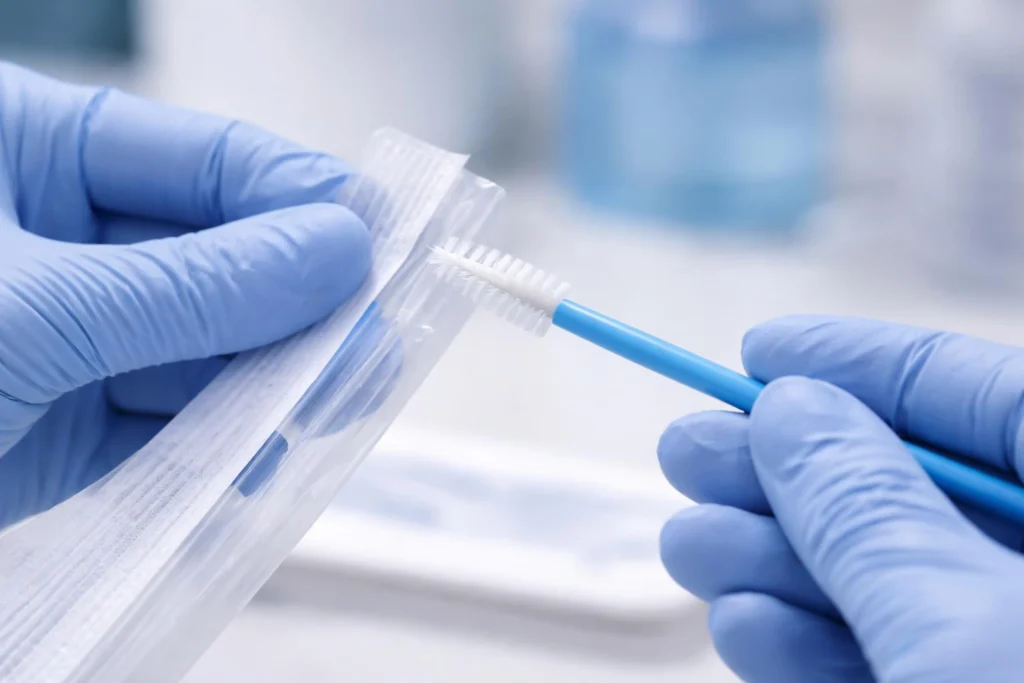
What does a smear test involve?
A smear test, a key element of cervical cancer prevention, is a quick and usually painless procedure. Once the patient has taken up the gynaecological position in the examination chair, she is prepared for the test, which should be carried out by a qualified midwife. The gynaecologist gently inserts a speculum into the vagina to get a full view of the cervix. Then, using a special cytology brush, a sample of epithelial cells is taken from the surface of the cervix and from the cervical canal. The whole process takes only a few minutes and is much like a routine gynaecological examination.
Equipment and techniques used in cytology
Modern cytology relies on advanced techniques, such as thin-layer cytology, which significantly increase the sensitivity and specificity of the test. In conventional cytology, the sample is smeared directly onto a microscope slide and fixed, then stained and analysed under a microscope in the laboratory, which makes it possible to detect any HPV infection. Liquid-based cytology (LBC), by contrast, uses a special liquid medium into which the smear sample is placed. This liquid environment preserves the cells better and removes contaminants, which makes the diagnosticians’ work easier and increases the precision of the smear test result.
The smear test and patient comfort
At Medeor Clinic we make sure every patient feels comfortable and safe during a smear test. Our gynaecologists approach every appointment with empathy and understanding, trying to minimise any discomfort. Gentle insertion of the speculum and precise sampling are key to comfort. We also ensure discretion and privacy, which are extremely important for your well-being during the appointment. Our aim is for every patient to know what a preventive examination involves and to feel fully cared for by the medical staff.
Smear test results
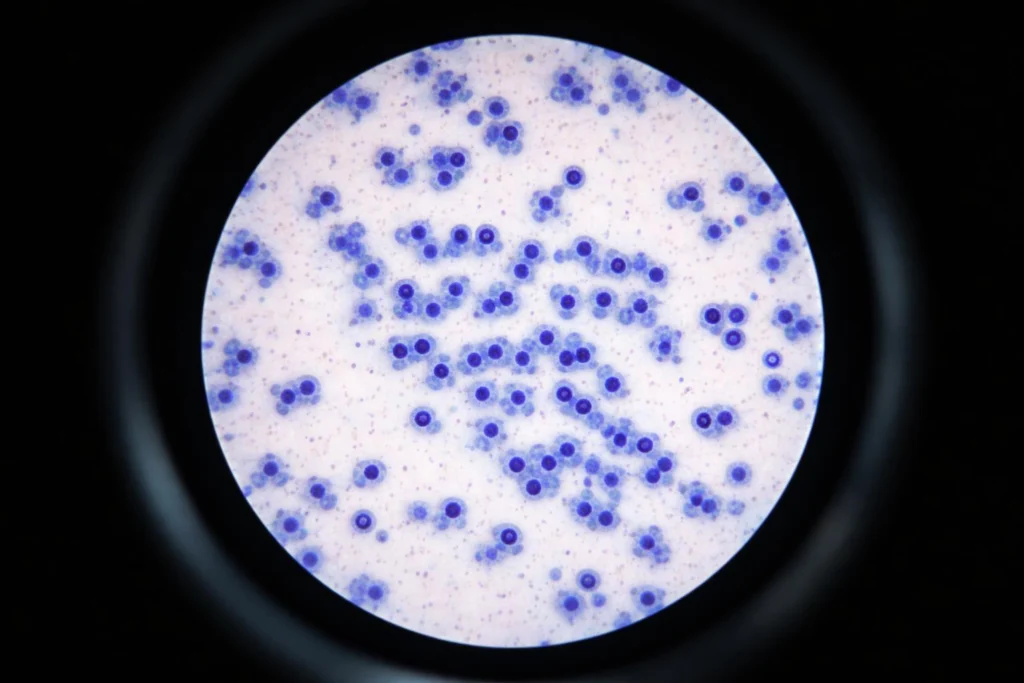
Interpreting smear test results
Interpreting smear test results is a key stage in the diagnosis of cervical cancer. After the sample has been processed in the laboratory, experienced cytologists analyse the epithelial cells for any abnormalities, such as dysplastic changes or the presence of HPV. The smear test result is then presented as a report, which the gynaecologist discusses with the patient. It is important to remember that an abnormal result does not always mean cancer; it often points to infections or inflammation that need further diagnosis and treatment.
The Bethesda System and why it matters
In cytological diagnosis the Bethesda System is widely used; it standardises and unifies the interpretation of smear test results. Thanks to it, gynaecologists and cytologists speak a common language, which makes communication easier and ensures diagnostic consistency. The system classifies changes in the cells of the cervix, from normal ones, through mild ones, to changes indicating high-grade dysplasia or invasive cancer. Understanding this system is fundamental to assessing the risk properly and planning further medical care, including a possible HPV test.
What the results mean: normal and abnormal
A normal smear test result means there are no visible changes in the epithelial cells of the cervix, which gives the patient peace of mind and confirms that prevention is working. However, there are various categories of abnormal results that need further attention. They may indicate inflammation, infections, including human papillomavirus (HPV), or the presence of precancerous changes. If the result is abnormal, the gynaecologist will always recommend the appropriate next steps, such as a repeat smear test, colposcopy or an HPV test, to diagnose the cause accurately and start any treatment needed.
Liquid-based cytology (LBC) vs. conventional cytology

Differences between LBC and conventional cytology
Understanding the differences between liquid-based cytology (LBC) and conventional cytology is crucial for every patient who looks after cervical cancer prevention. In the conventional method, the sample of cells taken from the cervix with a gynaecological brush is smeared directly onto a microscope slide. In liquid-based cytology (LBC), the cells collected are placed in a special liquid preservative medium, which allows the sample to be cleaned more thoroughly of contaminants, such as mucus or blood, before it reaches the laboratory.
Advantages of liquid-based cytology
Liquid-based cytology (LBC) offers a number of significant advantages over conventional cytology, which make the smear test result more reliable. Thanks to the liquid medium, the sample contains more representative epithelial cells, which minimises the risk of errors caused by too little material for testing. Better fixation of the cells and the removal of unwanted elements make the microscopic assessment easier for the cytologist, which can increase the detection rate of precancerous changes and early stages of cervical cancer.
When to choose conventional cytology?
Despite the growing popularity of liquid-based cytology (LBC), conventional cytology remains an available and effective method of cervical cancer prevention, especially in screening programmes. The choice of this method may depend on what a given facility offers, as well as on cost. Although liquid-based cytology is often recommended for its greater precision, regular smear tests, even conventional ones, as recommended by your gynaecologist, remain an extremely valuable tool for monitoring the health of the cervix.
Cervical cancer prevention
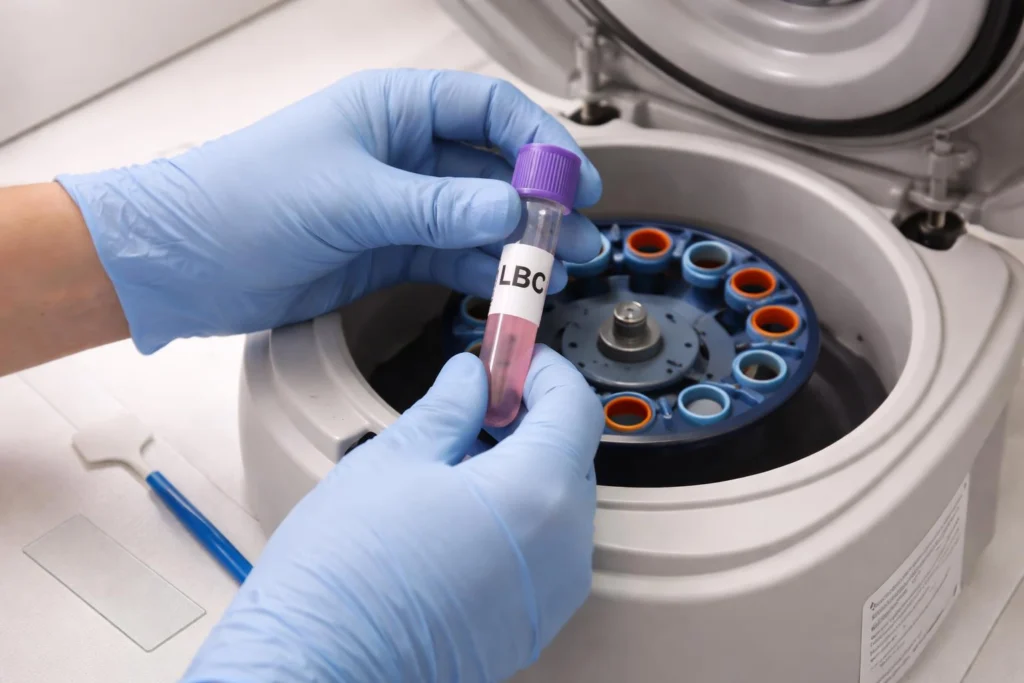
The role of cytology in prevention
Cytology is the basic and indispensable screening test in cervical cancer prevention. Its main purpose is to detect precancerous changes and to monitor patients’ health. Early detection of changes in the epithelial cells of the cervix that may indicate the presence of HPV or be early stages of precancerous changes. Regular smear tests, including liquid-based cytology (LBC), make it possible to identify abnormalities at a stage when they are fully curable, significantly increasing the patient’s chances of full health and of avoiding the development of cancer.
How often should you have a smear test?
Current medical guidelines recommend that every patient has regular smear tests as part of cervical cancer prevention. The first smear test should be done after becoming sexually active and then repeated every 3 years if the results are normal. If there are risk factors, such as HPV infection or a history of abnormal results, the gynaecologist may recommend more frequent smear tests to ensure the health of the cervix is monitored continuously.
The cervical cancer prevention programme in Poland
Poland has a national cervical cancer prevention programme, whose aim is the early detection and prevention of this disease. The programme offers a free smear test to women aged 25–59 who have not had one in the last three years. Taking part in the programme is extremely important, because cytology is one of the most important tools in the fight against cervical cancer, and regular tests allow any changes to be detected early and treated effectively.
HPV and its link to cytology
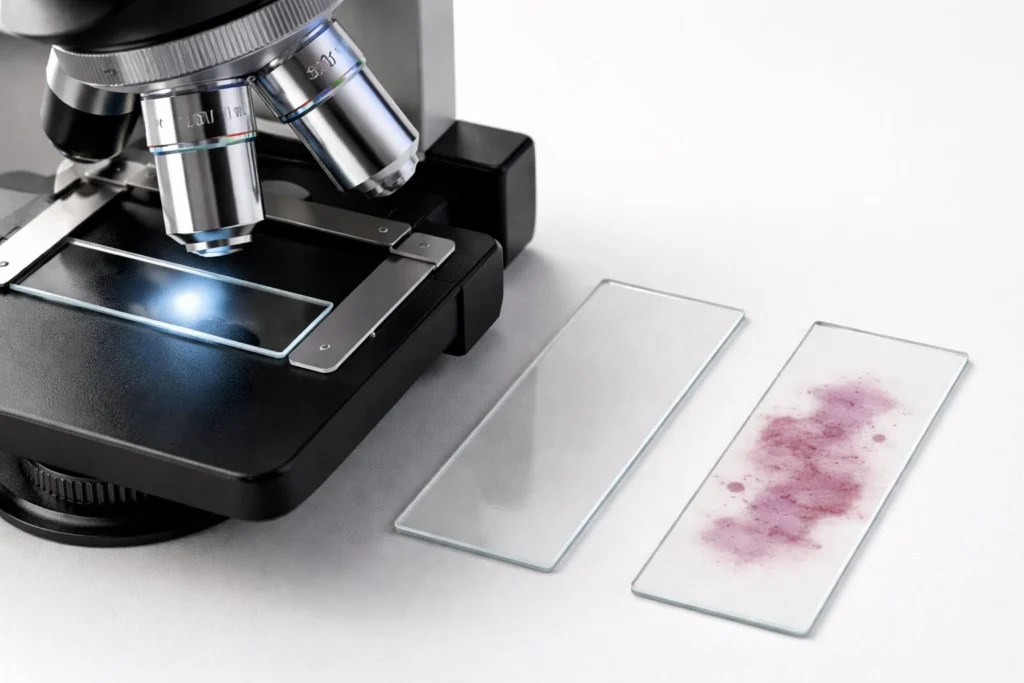
What is HPV?
Human papillomavirus (HPV) is a common virus that is the main cause of cervical cancer. There are many types of HPV, and some of them are classed as high oncogenic risk, which means they can lead to the development of precancerous and cancerous changes. HPV infection is sexually transmitted and often causes no symptoms, which is why regular smear tests and, where appropriate, an HPV test are so important for monitoring intimate health.
How does HPV affect smear test results?
HPV infection can lead to changes in the epithelial cells of the cervix that can be detected during a smear test. Once human papillomavirus (HPV) settles in the cells, it can cause them to grow and develop abnormally, which shows up in the smear test result as dysplastic changes. These changes are classified according to the Bethesda System and may indicate the need for further diagnosis, such as colposcopy or a more detailed HPV test, to assess the risk of developing cervical cancer.
Why HPV testing matters
Testing for HPV, the HPV test, is a valuable addition to the smear test, especially when the smear test result is abnormal. The HPV test makes it possible to identify specific types of the virus, especially the high-risk ones that are most responsible for the development of cervical cancer. Having cytology and an HPV test (the so-called hrHPV test) together is recommended to make prevention more effective. Co-testing increases diagnostic sensitivity and allows even more effective cervical cancer prevention, giving the patient a comprehensive risk assessment.