
Nowadays more and more people are struggling with autoimmune health problems, and one of the most frequently diagnosed is chronic lymphocytic thyroiditis, more widely known as Hashimoto’s disease. This condition has a significant impact on everyday functioning and quality of life, which is why it is so important to understand its nature, its causes and the methods of diagnosis and treatment available. We would like to give you comprehensive knowledge about this disease, so that everyone can feel more confident facing the challenges Hashimoto’s brings, including its symptoms and treatment.
An introduction to Hashimoto’s disease
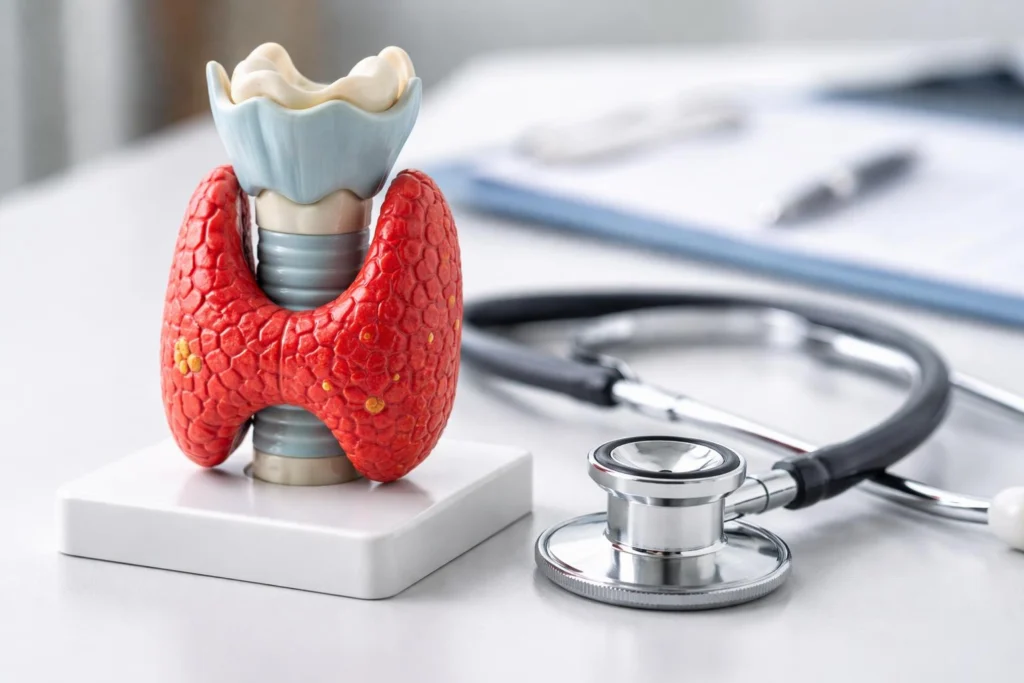
What is Hashimoto’s disease
Hashimoto’s disease is autoimmune inflammation of the thyroid, in which the immune system mistakenly attacks the body’s own thyroid gland. This process causes chronic inflammation, which gradually damages the thyroid and reduces the production of thyroid hormones.
It is the most common cause of hypothyroidism, characterised by:
| TSH level | Often raised |
|---|---|
| Antibodies present | Anti-TPO and anti-TG |
Causes of Hashimoto’s disease
The development of Hashimoto’s disease is complex and results from the interaction of many factors, including genetic and immune factors that may attack the body’s own cells. There is a strong genetic predisposition, which means that people with a family history of autoimmune diseases are at greater risk of developing Hashimoto’s. In addition, environmental factors such as excess iodine, selenium deficiency, vitamin D deficiency, stress or viral infections may play a key role in starting or intensifying the autoimmune attack on the thyroid. Chronic thyroiditis is often associated with other autoimmune diseases, for example diabetes.
How the thyroid works
The thyroid is a small but extremely important gland located at the base of the neck, responsible for producing the thyroid hormones thyroxine (T4) and triiodothyronine (T3). These hormones are crucial for the proper functioning of almost every cell in the body, regulating metabolism, growth, development and body temperature. Their production is tightly controlled by the pituitary gland, which releases thyroid-stimulating hormone (TSH), and any abnormalities can lead to an enlarged thyroid. When the thyroid does not work properly, the whole body suffers, leading to a range of symptoms of the disease.
Symptoms of Hashimoto’s disease

Hashimoto’s – general symptoms
Hashimoto’s disease shows itself through a range of general symptoms, which are often non-specific and can be mistaken for other conditions. People with Hashimoto’s disease often complain of chronic fatigue, weakness and lack of energy, which significantly affects their quality of life. In addition, problems with concentration and memory, and muscle and joint pain may appear. It is worth stressing that these symptoms may build up gradually, making early diagnosis harder.
Symptoms of hypothyroidism
Hypothyroidism, as a consequence of chronic Hashimoto’s thyroiditis, leads to further characteristic symptoms and may be associated with the presence of antibodies against thyroid peroxidase. These include weight gain despite no change in diet, and constantly feeling cold, even in warm rooms. The skin becomes dry and rough, hair brittle and prone to falling out, and nails fragile. Constipation, a slower heart rate and swelling, especially of the face and eyelids, are also common, pointing to a fall in thyroid hormone levels.
The course of Hashimoto’s disease
Hashimoto’s disease is usually chronic and progressive. At first the thyroid may be enlarged, which is known as a goitre, and symptoms may be mild or absent altogether. Over time, as the immune system destroys the thyroid gland, thyroid hormone production gradually falls, leading to full-blown hypothyroidism. Regular monitoring of TSH levels and anti-TPO and anti-TG antibodies is key to managing the progression of the disease.
Diagnosing Hashimoto’s disease

Diagnosis of Hashimoto’s disease
Diagnosing Hashimoto’s disease requires a comprehensive assessment of the patient’s health, including a medical history, a physical examination and specialist laboratory tests. It is crucial to pay attention to symptoms that may suggest autoimmune thyroiditis. Remember that early diagnosis and the right treatment of Hashimoto’s are extremely important for improving quality of life and preventing further progression of the disease and its complications.
Laboratory tests in diagnosis
Blood tests and a thyroid ultrasound are key in diagnosing Hashimoto’s. The main elements of diagnosis are shown below:
| Type of test | Details / Indicators |
|---|---|
| Blood tests | TSH level; free thyroid hormones (fT3, fT4); antibodies present: anti-TPO and anti-TG. Raised TSH with lowered thyroid hormones and the presence of antibodies point to Hashimoto’s disease, including possible enlargement of the thyroid. |
| Thyroid ultrasound | Assessing the structure of the gland, including a thyroid ultrasound, is key in diagnosing Hashimoto’s disease. Detecting changes (e.g. enlargement, changes in echogenicity) |
Diagnosis of hypothyroidism
Hypothyroidism is diagnosed mainly on the basis of laboratory tests showing a raised TSH level and often a lowered level of thyroid hormones in the blood. In Hashimoto’s disease, these results, combined with the presence of anti-TPO and anti-TG antibodies, clearly point to an autoimmune cause of the problem. It is also worth paying attention to general symptoms that may indicate a thyroid hormone deficiency, such as chronic fatigue or weight gain.
Treating Hashimoto’s disease

How to treat Hashimoto’s disease
Treating Hashimoto’s is a process that needs an individual approach and ongoing monitoring. The basis of therapy is usually thyroid hormone replacement, mainly with synthetic thyroxine, to make up for the deficiency caused by damage to the gland, which may also include a thyroid ultrasound. Regular laboratory tests, including TSH and free thyroid hormone levels, are key to adjusting the dose of the medicine and ensuring the body works at its best. We support our patients in finding the best way to treat Hashimoto’s disease, offering comprehensive diagnosis, including thyroid ultrasound, and treatment.
The importance of selenium in therapy
Selenium plays a significant part in thyroid function and may have a positive effect on the course of Hashimoto’s disease, which attacks the body’s own cells. This trace element is essential for the proper conversion of thyroid hormones and has antioxidant properties that may reduce inflammation in the gland. Selenium supplementation, after consulting a doctor and in the right doses, may help lower anti-TPO antibody levels and improve the wellbeing of people with Hashimoto’s disease, which matters for both symptoms and treatment.
The course of treatment and monitoring your health
Treatment of Hashimoto’s disease is usually long-term and requires regular follow-up appointments to monitor symptoms and treatment. Monitoring your health includes not only laboratory tests such as TSH, fT3 and fT4 levels, but also an assessment of the patient’s general wellbeing and symptoms. It is important to pay attention to changes in diet, lifestyle and any other autoimmune diseases that may affect the effectiveness of therapy and require treatment to be adjusted.
Chronic Hashimoto’s thyroiditis
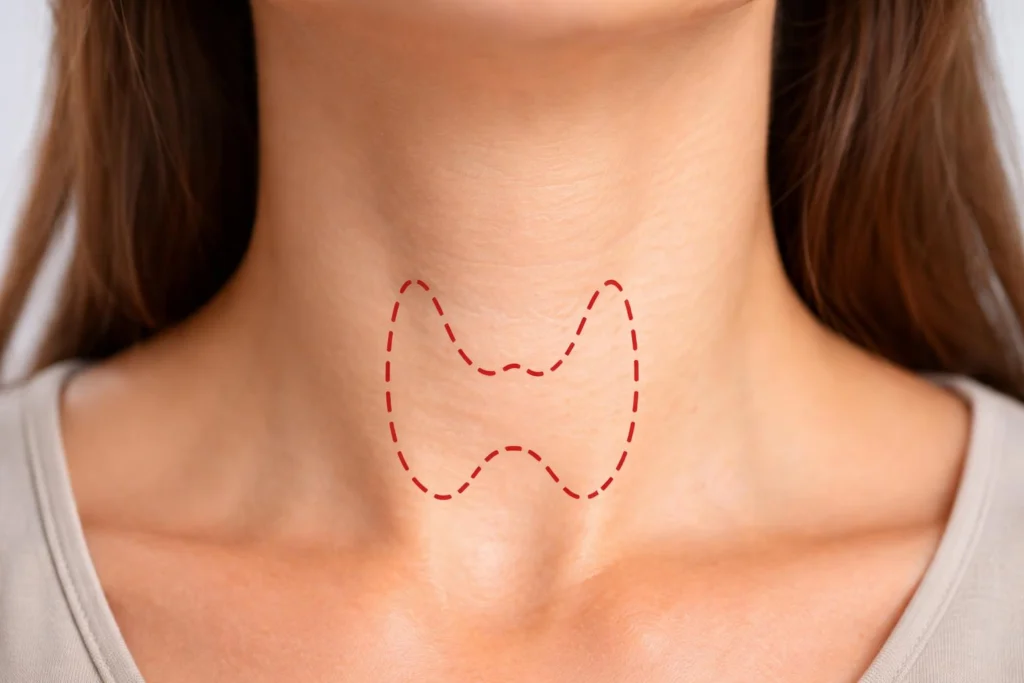
Symptoms of chronic thyroiditis
Chronic Hashimoto’s thyroiditis shows itself through a range of symptoms that can be very troublesome. People with Hashimoto’s disease often experience chronic fatigue, weakness, weight gain and problems with memory and concentration, which may be the result of the attack on the body’s own cells. Joint and muscle pain, dry skin, hair loss and feeling cold may also appear. Recognising these symptoms early is key to starting effective treatment and improving the patient’s quality of life.
Differences between thyroiditis and hypothyroidism
It is important to distinguish chronic Hashimoto’s thyroiditis from hypothyroidism itself in order to treat it effectively. The key differences are shown below:
| Aspect | Hashimoto’s thyroiditis | Hypothyroidism |
|---|---|---|
| Definition | An autoimmune disease in which the immune system attacks the thyroid gland. | A consequence of the inflammation, showing itself as insufficient production of thyroid hormones. |
| Treatment | Focuses on managing the autoimmune process. | Aims to make up for the thyroid hormone deficiency. |
How to prevent complications
Preventing complications of chronic Hashimoto’s thyroiditis is extremely important and is based on regular monitoring of your health and close cooperation with your doctor. It is crucial to maintain the right level of thyroid hormones through hormone replacement, and to look after a healthy lifestyle, including a balanced diet rich in selenium and vitamin D. Avoiding excessive stress and regular physical activity also support the immune system and may help prevent the development of other autoimmune diseases.