We invite you to read our guide, which will help you prepare for a colonoscopy. We provide comprehensive information and tips so that the examination goes smoothly and comfortably. Our aim is to make you feel safe and confident at every stage of the preparation.
An introduction to colonoscopy
What is a colonoscopy?
A colonoscopy is an endoscopic examination of the large intestine that allows an accurate assessment of the digestive tract. During a colonoscopy the doctor inserts a thin, flexible instrument with a camera into the large intestine, which makes it possible to see its inside. It is a key examination in diagnosing many bowel conditions.
Why is a colonoscopy performed?
A colonoscopy is performed to diagnose the lower part of the digestive tract. A colonoscopy can detect polyps, inflammation, ulcers and other abnormalities in the large intestine. It is also an important tool in bowel cancer prevention, allowing changes to be detected early.
What are the indications for a colonoscopy?
The indications for a colonoscopy vary and include, among others, gastrointestinal bleeding, chronic abdominal pain, changes in bowel habits and suspected inflammatory bowel disease. A colonoscopy is also recommended for people over 50 as a bowel cancer screening test under a programme of the NFZ, Poland’s public health fund.
Preparing for a colonoscopy

The days before the examination
An important part of preparing for a colonoscopy is what you do in the few days before the examination. For a few days beforehand, avoid heavy, high-fibre foods such as raw fruit and vegetables, wholemeal bread and seeds. It is also worth discussing any doubts about the medicines you take with your doctor, especially if you take anticoagulant medicines.
Choosing the right preparation
Choosing the right bowel preparation is crucial for an effective colonoscopy. Your doctor will recommend the best preparation, taking your health into account. Follow the instructions on the dose and how to take it closely, to make sure the large intestine is cleansed as well as possible before the examination. Remember that thorough preparation has a significant effect on the result.
What should you eat before the examination?
On the day before the colonoscopy a liquid, easily digestible diet is recommended. You can have clear soups, broths, jellies and kissel (a thickened fruit drink), and drink still water, tea (without leaves) and clear juices (e.g. apple or grape). Avoid foods that colour red or purple (e.g. beetroot juice, kiwi fruit), as they can make it harder to assess the bowel during the examination.
Bowel preparations
Fortrans – how does it work?
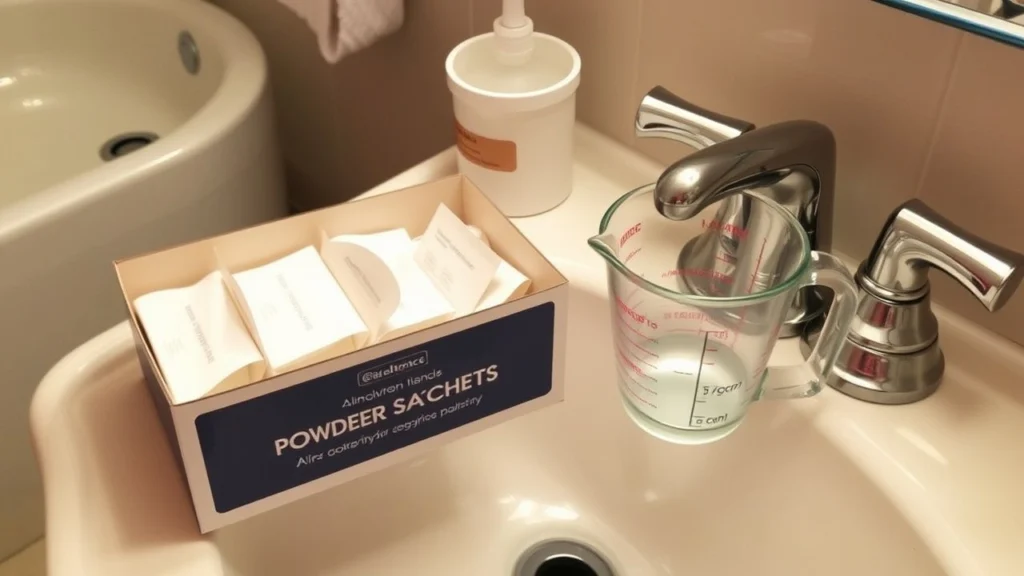
Fortrans is one of the most commonly used bowel preparations before a colonoscopy. It works by causing osmotic diarrhoea, which effectively clears food residue from the large intestine. For it to work properly, you need to prepare and drink several litres of Fortrans solution, as your doctor instructs. It is important to drink it slowly, in small amounts, to avoid nausea and vomiting.
Citrafleet – pros and cons
Citrafleet is an alternative bowel preparation before a colonoscopy. Its advantage is the smaller volume of solution to drink compared with Fortrans. Citrafleet contains magnesium citrate and sodium picosulfate, which have a laxative effect. Bear in mind, however, that Citrafleet can cause some side effects, such as nausea, vomiting and abdominal pain. On the day of the colonoscopy the patient should drink a sachet of Citrafleet in 150 ml of water: dissolve 1 sachet of Citrafleet in 150 ml of water and drink it, then straight after drinking it start drinking 1 glass every 15 minutes.
Moviprep and Eziclen – which to choose?
Moviprep and Eziclen are further options for colonoscopy preparation. Moviprep has a smaller volume of solution than Fortrans, and Eziclen comes as a concentrate that has to be diluted before drinking. Both preparations cleanse the bowel effectively, but they may differ in taste and in how well patients tolerate them. People with diabetes should also consult their doctor about choosing the right preparation, as they have individual needs.
What to expect on the day
What happens during a colonoscopy?
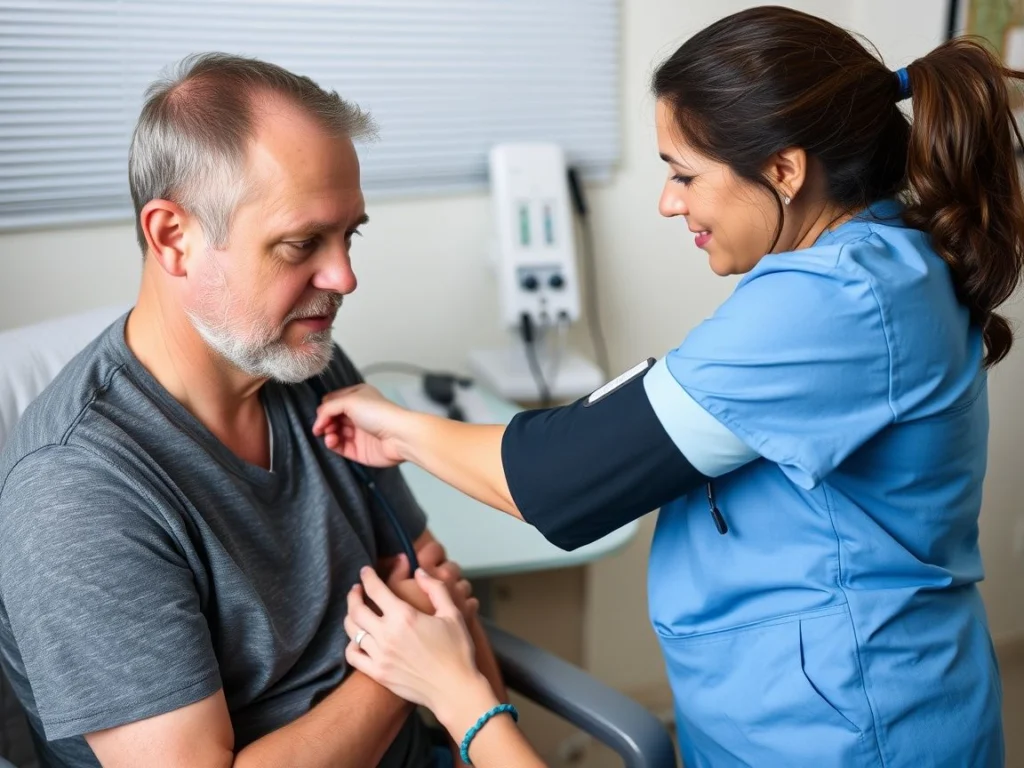
On the day of the colonoscopy, when you arrive at the medical centre, you will be asked to fill in a short questionnaire about your health and the medicines you take. You will then talk to the doctor, who will explain how the examination goes and answer any questions. It is important that you feel comfortable and have full confidence in the medical staff.
The patient’s role during the examination
The patient plays a key role during a colonoscopy. It is important to tell the medical staff about any symptoms or discomfort you feel during the examination. Working together with the doctor makes the examination easier and minimises the risk of complications. During the examination the patient should lie still.
What to do after the examination
After the colonoscopy the patient should stay at the medical facility for a short time so that the staff can monitor their condition. After the examination, eat easily digestible food and avoid alcohol and heavy meals. If you have any worrying symptoms, such as severe abdominal pain or gastrointestinal bleeding, contact a doctor straight away. Tissue samples (biopsies) taken at colonoscopy are often sent for histopathological examination.
Summary

Key information
Preparing for a colonoscopy is crucial for the examination to succeed. Follow the instructions on diet and on taking bowel-cleansing preparations closely, and tell your doctor about all the medicines you take, including anticoagulants. Remember that thorough preparation for a colonoscopy has a significant effect on the quality of the image and on the chance of detecting any changes in the large intestine.
Tips for patients
People with diabetes should also consult their doctor to agree an individual colonoscopy preparation plan that takes their particular health needs into account. For a few days before the examination, avoid high-fibre foods. On the day before the examination, have clear liquids only. If in doubt, consult your doctor.
The referral – what should it include?
A referral for a colonoscopy should include the indications for the examination, the patient’s details and the details of the referring doctor. The referral should also include information about any chronic conditions the patient has and the medicines they take. A referral for a colonoscopy under the NFZ programme should carry the appropriate marking.