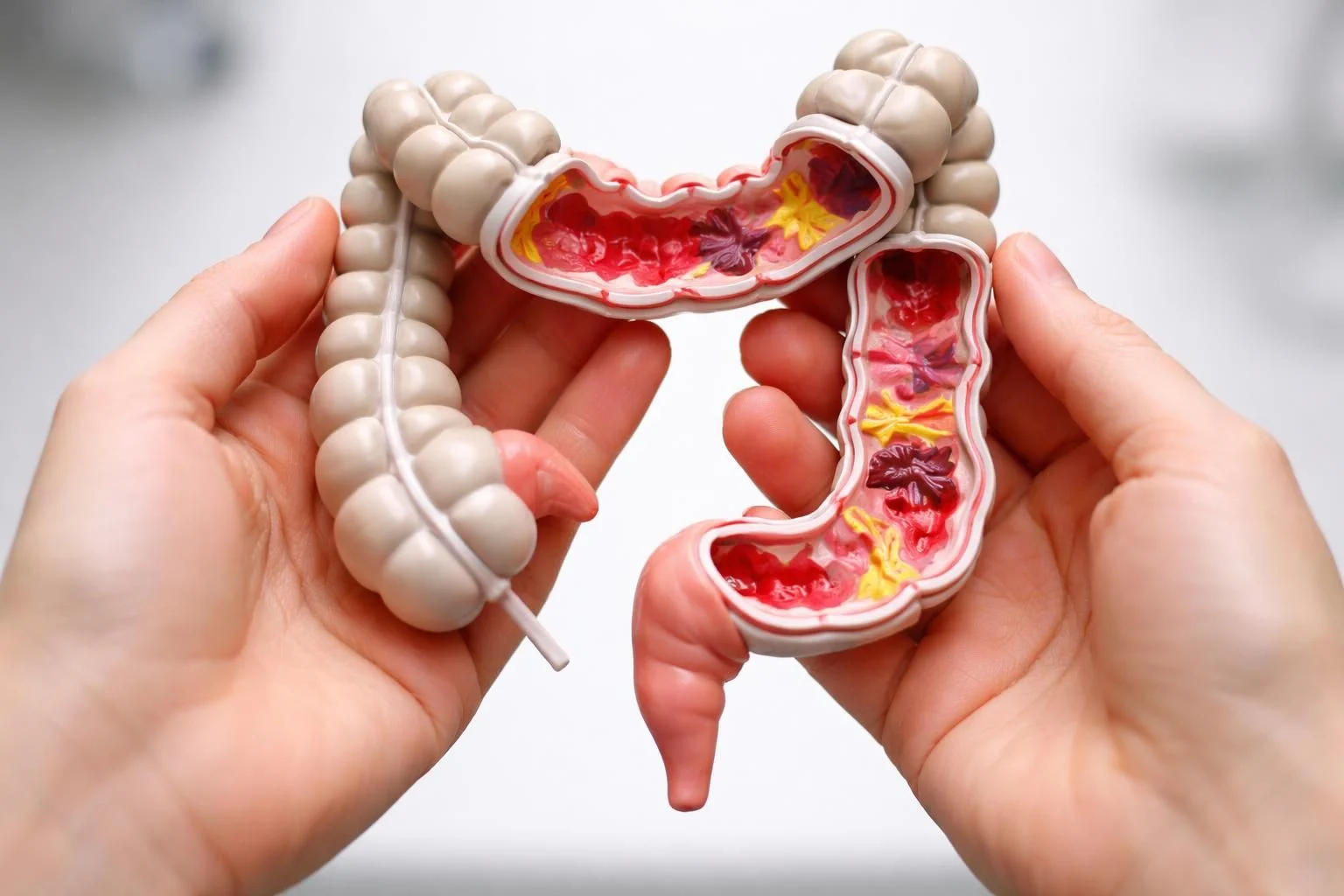
Colorectal cancer – symptoms, treatment and prognosis

Colorectal cancer (bowel cancer) is a serious disease that affects more and more people. Understanding its symptoms, the available treatments and the prognosis is essential for early detection and for fighting this cancer effectively. In this article we would like to share the most important information about colorectal cancer, to help you understand the disease and to highlight the importance of prevention and regular check-ups. Let us remember that a quick diagnosis is often the key to successful treatment.
Symptoms of colorectal cancer

Diagnosing colorectal cancer at an early stage can significantly improve the prognosis and increase the chances of a full recovery. Unfortunately, the symptoms of colorectal cancer are often non-specific and can be mistaken for other, less serious complaints, which makes early detection harder. Even so, it is worth paying attention to any worrying changes in how your digestive system works, so that you can discuss them with a doctor as soon as possible. Let us remember that awareness and vigilance are the first step in the prevention and possible treatment of bowel cancer.
First symptoms of colorectal cancer
Many people wonder how to recognise the symptoms of colorectal cancer, especially the early ones. The first symptoms of colorectal cancer are often subtle and easily overlooked, but being aware of them is extremely important. Early detection is key to starting effective treatment.
The most common signs that may point to colorectal cancer include:
| Symptom | Description |
|---|---|
| Changes in bowel habits | Diarrhoea or constipation that persists for a long time without an obvious cause. |
| Blood in the stool | Visible to the naked eye or detected in laboratory tests; requires an immediate consultation. |
Symptoms of advanced colorectal cancer
When colorectal cancer reaches a more advanced stage, the symptoms usually become more pronounced and troublesome, which unfortunately often means a poorer prognosis. A serious symptom indicating that the disease has progressed significantly is bowel obstruction, with severe pain, bloating and an inability to pass stool or wind. In this case cancer treatment requires immediate intervention, and a diagnosis of colorectal cancer at this stage often involves more complex medical procedures. The most characteristic symptoms of advanced colorectal cancer include:
| Symptom | Description / cause |
|---|---|
| Persistent abdominal pain | May be related to where the tumour is located in the large intestine. |
| Unexplained weight loss | The result of the wasting effect of a malignant bowel tumour. |
| Anaemia | A consequence of chronic bleeding from the tumour. |
How to recognise the symptoms of colorectal cancer
Diagnosing colorectal cancer requires vigilance and awareness from both the patient and the doctor. It is important not to ignore any worrying symptoms, especially if they persist for a long time. A key element in the diagnosis and prevention of colorectal cancer is regular screening. One of the most important tests for detecting colorectal cancer at an early stage is colonoscopy. It allows the lining of the large intestine to be examined in detail, polyps that may be precursors of a malignant bowel tumour to be detected, and samples to be taken for histopathological examination. When colorectal cancer does occur, an early diagnosis, even when the first symptoms are present, gives a much greater chance of successful treatment and a better prognosis. It is also worth remembering the faecal occult blood test, a simple, non-invasive test that can show whether further investigation for colorectal cancer is needed.
Diagnosis and tests
Colorectal cancer screening
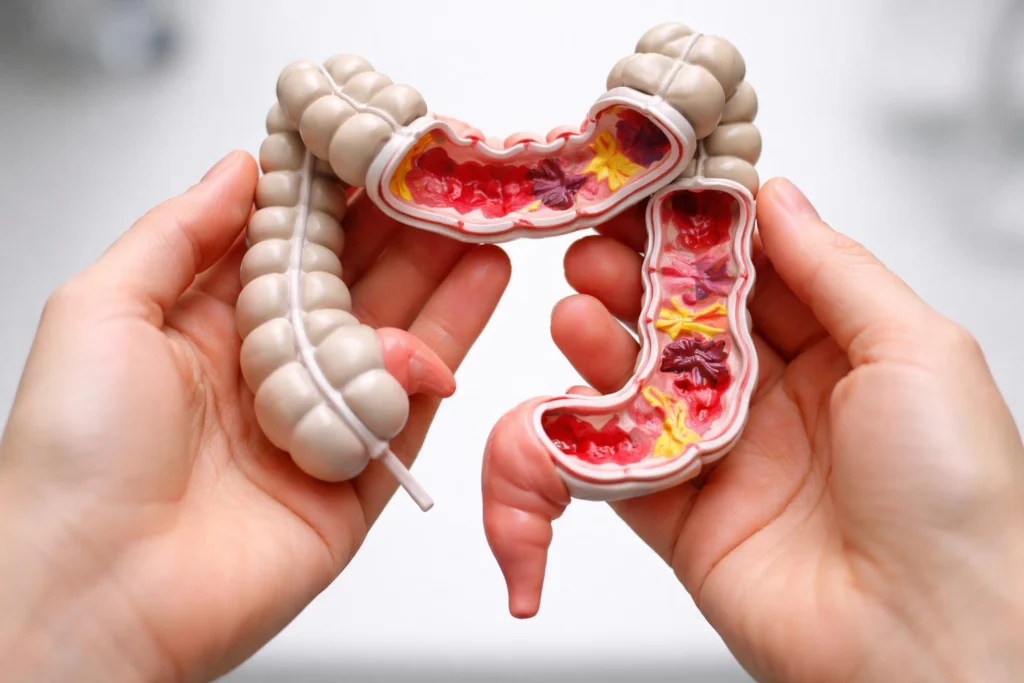
Regular screening plays a key role in the prevention of colorectal cancer, allowing cancer to be detected at a very early stage, often before the first symptoms appear. It makes it possible to identify and remove polyps, which are precursors of malignant colorectal cancer, significantly reducing the risk of developing bowel cancer. Screening is particularly important for people over 50, and for those at increased risk of colorectal cancer, for example because of a family history or inflammatory bowel disease. Taking an active part in screening programmes is the best way to protect your health and give yourself peace of mind. Let us remember that an early diagnosis of colorectal cancer is the key to effective treatment and a good prognosis.
Detecting colorectal cancer – diagnostic methods
Medicine offers a range of advanced diagnostic methods for detecting colorectal cancer effectively. One of the most important and most effective is colonoscopy, an endoscopic examination that allows the lining of the entire large intestine to be examined in detail. During a colonoscopy, the doctor can not only detect colorectal cancer but also remove polyps before they turn into a malignant tumour. At Medeor Clinic we attach great importance to comprehensive diagnostics, which is why we offer colonoscopy in comfortable and safe conditions, with the full support of experienced specialists. Detecting colorectal cancer at an early stage is the basis for starting effective cancer treatment, which significantly improves patients’ prognosis and quality of life. Understanding how to recognise the symptoms of colorectal cancer and knowing about the diagnostic tests available are fundamental in the fight against this disease.
Colorectal cancer – tests and imaging
Besides colonoscopy, other imaging tests are also used in the diagnosis of colorectal cancer, providing valuable information about the stage of the disease and any metastases. Computed tomography (CT) of the abdomen and pelvis, magnetic resonance imaging (MRI) and ultrasound are tools that help assess the extent of the malignant tumour, its relationship to the surrounding structures and whether it has spread to other organs. These tests are extremely important in planning the treatment of colorectal cancer, especially rectal cancer, where determining the precise extent of the lesion is crucial. They allow a holistic view of the patient’s health and an individual treatment pathway to be tailored. Proper imaging is essential for making an informed decision about the best treatment methods and the prognosis for patients with colorectal cancer.
Treatment of colorectal cancer

Treatment options for bowel cancer
When colorectal cancer is diagnosed, it is natural to look for information about the treatment options available. Fortunately, medicine today offers a wide range of therapies that are tailored to each patient, taking into account the stage of the colorectal cancer, their general health and their preferences. The main methods of treating bowel cancer include surgery, chemotherapy, radiotherapy and, increasingly, modern targeted therapies and immunotherapy. The aim is not only to remove the colorectal tumour, but also to minimise the risk of recurrence and improve quality of life. Our specialists at Medeor Clinic always try to take a holistic view of the patient’s health, presenting all the options for treating colorectal cancer and supporting you at every stage of the fight against the disease.
Treatment of colorectal cancer – surgery and chemotherapy
Surgery remains the main and most commonly used method of treating colorectal cancer, especially when the cancer is detected early. The operation involves removing the part of the large intestine containing the malignant tumour, together with a margin of healthy tissue and the nearby lymph nodes. In many cases, especially when the colorectal cancer is more advanced or there is a risk of metastases, surgery is supplemented with chemotherapy. Chemotherapy can be given before surgery (neoadjuvant) to shrink the tumour and make it easier to remove, or after surgery (adjuvant) to destroy any remaining cancer cells and reduce the risk of recurrence. At Medeor Clinic we place great emphasis on precise cancer treatment planning to ensure the best possible prognosis for our patients.
Colorectal cancer – modern therapies
In recent years we have seen rapid development of modern therapies for colorectal cancer, which offer hope of even more effective cancer treatment. Targeted therapies, which act precisely on specific proteins or genes in cancer cells, and immunotherapy, which strengthens the patient’s own immune system to fight the cancer, are becoming increasingly important parts of treatment strategies. These innovative methods, often used in combination with traditional ones, can significantly improve the prognosis, especially in advanced stages of the disease. At Medeor Clinic our specialists keep up to date with the latest medical advances so that they can offer patients access to the most advanced and effective treatment options for colorectal cancer, tailored to individual needs.
Prognosis in colorectal cancer
Prognosis depending on the stage of the cancer
The prognosis in colorectal cancer is closely linked to the stage of the cancer at the time of diagnosis. The earlier colorectal cancer is detected, the greater the chances of a full recovery and a long life. An early diagnosis of colorectal cancer, when the lesion is confined to the lining or the wall of the large intestine, significantly improves the outlook. Unfortunately, when the malignant colorectal tumour has spread to the nearby lymph nodes or to distant organs, the prognosis becomes less favourable, although thanks to modern therapies effective cancer treatment and longer survival are still possible. That is why it is so important to pay attention to the first symptoms and to have regular tests, which can help detect colorectal cancer at an early stage.
Prognosis and the prevention of colorectal cancer
The prevention of colorectal cancer plays a fundamental role in improving the prognosis and reducing deaths from colorectal cancer. Regular screening tests, such as colonoscopy, make it possible to detect cancer at a very early stage, often before any symptoms of colorectal cancer appear. Removing polyps, which are precursors of a malignant bowel tumour, is key to preventing colorectal cancer from developing. A healthy lifestyle, a high-fibre diet, regular physical activity and avoiding stimulants also have a significant effect on reducing the risk of bowel cancer. At Medeor Clinic we stress the importance of informed prevention and encourage regular check-ups, which are the most effective investment in a long and healthy life.
Risk of developing colorectal cancer
The risk of developing colorectal cancer depends on many factors, both genetic and environmental. A family history of colorectal cancer, inflammatory bowel diseases such as Crohn’s disease or ulcerative colitis, and familial polyposis syndrome significantly increase this risk. Understanding these factors and taking informed preventive action is the key to reducing the risk of colorectal cancer and improving the prognosis.
| Risk factor category | Factors |
|---|---|
| Main factors | Age (most cases occur after the age of 50) |
| Lifestyle factors | Unhealthy diet (processed foods, red meat), lack of physical activity, obesity, smoking, excessive alcohol consumption |