Endometriosis is a chronic disease that affects millions of women worldwide, significantly affecting their everyday functioning and quality of life. It is characterised by the presence of tissue similar to the lining of the uterus, the endometrium, outside the uterine cavity. These ectopic foci can appear in various organs, leading to a range of troublesome symptoms and pain. Understanding the nature of this disease, how it is diagnosed and the treatments available is key to dealing effectively with its consequences.
Endometriosis – symptoms

The symptoms of endometriosis are extremely varied and can occur with differing severity, which often makes it hard to diagnose the disease quickly. Each patient experiences the condition in her own way, and the intensity of symptoms is closely linked to the location of the endometrial foci, their size and the stage of the disease. Understanding the specific nature of these symptoms is the first step towards effective diagnosis and choosing the right treatment. It is important not to ignore any worrying signals your body sends and to discuss them with a specialist.
The most common symptoms of endometriosis
The most common symptoms of endometriosis include intense pain, which often gets worse during menstruation. Painful periods, or dysmenorrhoea, are one of the most characteristic symptoms of the disease. In addition, patients often experience chronic pelvic pain that is not linked to the menstrual cycle. Other troublesome symptoms include painful intercourse (dyspareunia) and digestive complaints such as pain when passing stools, bloating or constipation, especially if endometriosis foci are located on the bowel. Pain when passing urine, if the foci involve the bladder, may also point to endometriosis. Heavy menstrual bleeding and problems getting pregnant, leading to infertility, are also often observed.
Endometriosis symptoms and quality of life
The symptoms of endometriosis have a significant impact on patients’ quality of life, leading to chronic pain and loss of comfort in everyday functioning. Constant pain, which is often ignored or misdiagnosed, can lead to social isolation, difficulties at work and even emotional disorders. Every symptom, from painful periods to pelvic pain, becomes a burden that affects every aspect of the patient’s life. A lack of proper diagnosis and treatment makes these problems worse, which underlines the urgent need for early diagnosis and comprehensive care for women suffering from this chronic disease.
The impact of symptoms on patients’ daily lives
The impact of symptoms on the daily lives of patients with endometriosis is enormous and covers many areas, from personal to professional life. Chronic pain and other troublesome symptoms can significantly limit the ability to carry out everyday activities, take part in social life and lead an active lifestyle. Women with endometriosis often experience fatigue, low mood, as well as anxiety and depression, which further lowers their quality of life. Difficulty getting pregnant is another challenge, affecting family plans and the patient’s mental wellbeing. A holistic approach to treatment is important, one that takes into account not only physical symptoms but also psychological support.
Diagnosing endometriosis
Methods of diagnosing endometriosis
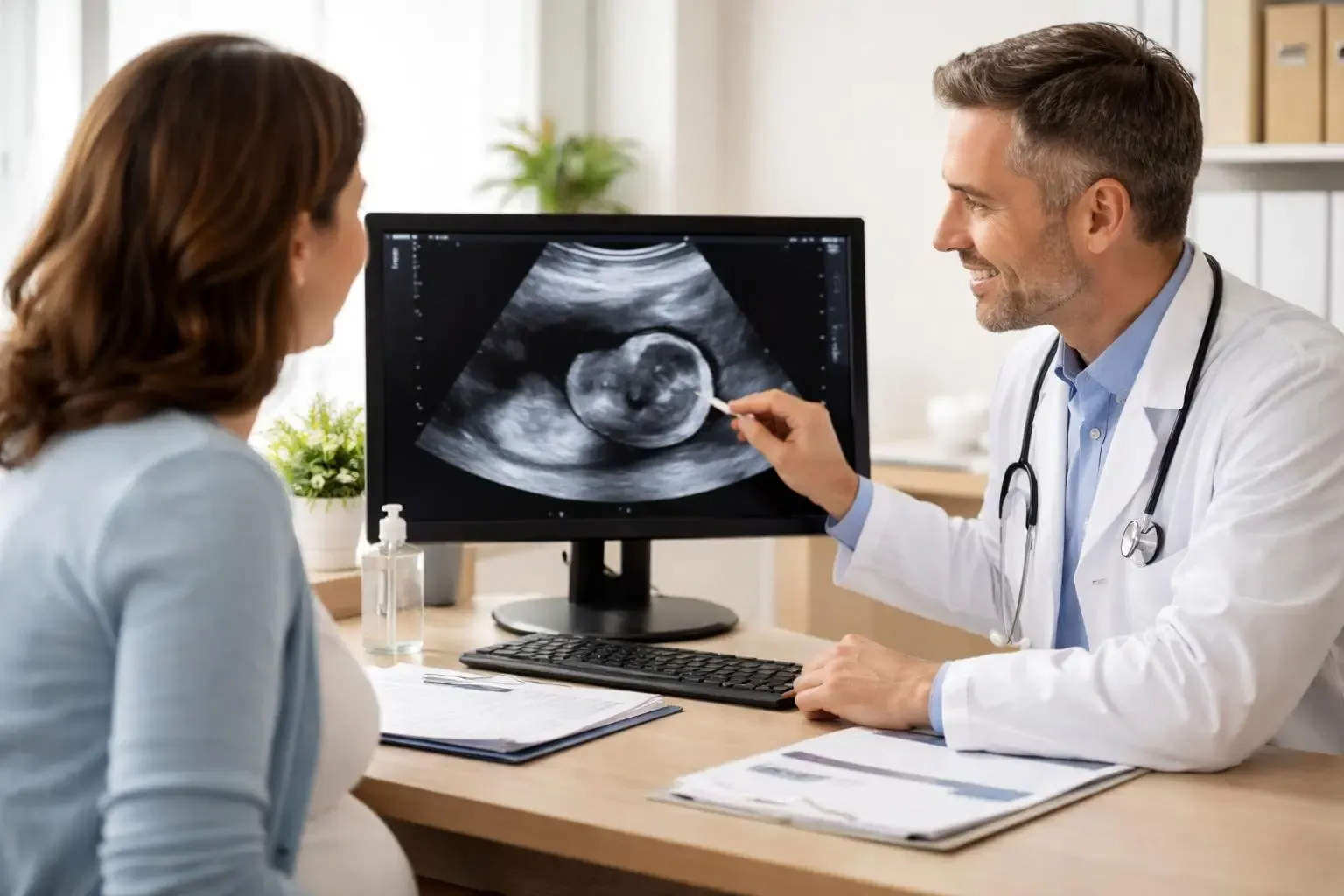
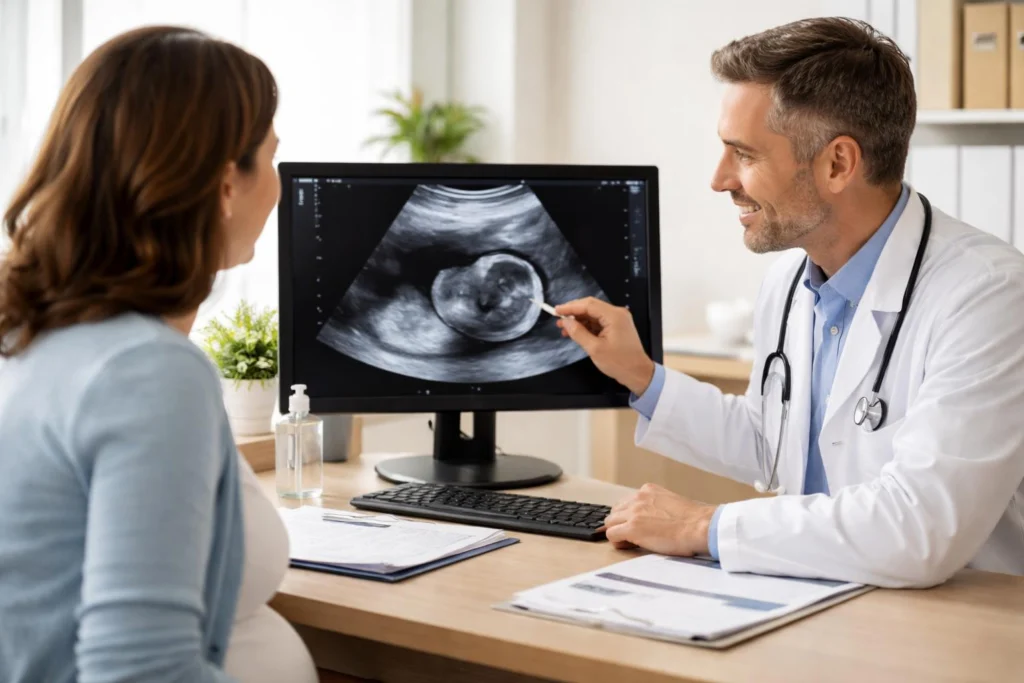
Diagnosing endometriosis is a process that requires a careful approach, as the symptoms of the disease can be misleading and resemble other pelvic conditions. A key element of diagnosis is a detailed gynaecological history, during which the patient describes her pain, such as painful periods, pelvic pain or painful intercourse. The next step is imaging, such as ultrasound, which can show an endometrial cyst on the ovary or deep endometriosis foci infiltrating the bowel or bladder. It should be remembered, however, that ultrasound does not always show all foci in full, especially smaller ones or those in unusual places. Final confirmation of endometriosis often requires laparoscopy, which is the gold standard in diagnosing this chronic disease.
Stages of endometriosis
Determining the stage of endometriosis is extremely important for choosing the right treatment and assessing the prognosis, especially when it comes to getting pregnant. Staging is based on the number, size and location of endometrial foci, the presence of adhesions and any endometrial cysts, also known as chocolate cysts of the ovaries. Four stages of the disease are distinguished, from minimal to severe. Although the stage of endometriosis does not always correlate with the severity of symptoms, it is crucial for planning treatment, both surgical and drug-based. In advanced cases, with numerous foci and adhesions, surgical treatment is often necessary to relieve symptoms and improve fertility.
The importance of early diagnosis
Early diagnosis of endometriosis is fundamental to improving patients’ quality of life and preventing the disease from progressing. A delay in diagnosis, which is unfortunately a common problem, can lead to chronic pain, increased inflammation, extensive pelvic adhesions and the development of infertility. Fast and accurate diagnosis makes it possible to start the right treatment, which may include hormonal treatment, aimed at stopping the growth of endometrial foci, or surgical treatment, which involves removing the foci. Early intervention helps minimise the symptoms of the disease, such as painful periods or pelvic pain, and increases the chances of getting pregnant for women struggling with infertility. That is why it is so important for a patient with troublesome symptoms to seek help from experienced specialists.
Treating endometriosis

Treating endometriosis is a comprehensive process that should always be tailored to the individual needs of the patient, her symptoms, the stage of the disease and her plans regarding pregnancy. The main aims of treatment are to reduce pain, stop the disease from progressing and, where possible, improve fertility. Because endometriosis is chronic, it often requires a long-term strategy combining different treatments, both drug-based and surgical. It is important that the approach to therapy is holistic and takes into account every aspect of the patient’s life, ensuring her comfort and safety at every stage. The key elements of the treatment strategy include:
- reducing pain,
- stopping the disease from progressing,
- improving fertility, where possible.
Types of endometriosis treatment
The types of endometriosis treatment vary and include both conservative and interventional methods, the choice of which depends on many factors. They include:
- drug treatment, aimed at controlling symptoms and stopping the growth of endometrial foci,
- surgical treatment, which involves removing visible foci of the disease.
In some cases, especially with advanced endometriosis or difficulty getting pregnant, a combination of both methods may be recommended. It is crucial that the decision on the treatment method is made together with an experienced specialist who will explain all the available options, their potential benefits and risks to the patient, giving her a sense of being fully involved in the therapeutic process.
Drug therapy and the symptoms of the disease
Drug therapy is an important part of managing the symptoms of endometriosis, focusing mainly on relieving pain and suppressing the hormonal activity that drives the growth of endometrial foci. Hormonal treatment, often in the form of contraceptive pills, progestogens or GnRH analogues, aims to put the body into a state similar to menopause or pregnancy, which leads to less bleeding and atrophy of the uterine lining and of the endometriosis foci. Although drug treatment does not eliminate the disease completely, it can significantly improve patients’ quality of life by reducing painful periods, chronic pelvic pain and other troublesome symptoms. It should be remembered, however, that the symptoms of the disease may return after hormonal medicines are stopped, which requires ongoing monitoring and, if necessary, resuming therapy.
Surgical treatment of endometriosis
Surgical treatment of endometriosis is often chosen when drug therapy proves ineffective, when the symptoms of the disease are particularly severe, when there are large endometrial cysts or deep infiltrating foci on the bowel or bladder, or when the patient has difficulty getting pregnant. The most commonly used procedure is laparoscopy, which allows precise removal of:
- endometrial foci,
- adhesions,
- and ovarian cysts.
This procedure minimises invasiveness and shortens recovery time. In very advanced disease, when it is impossible to remove all lesions laparoscopically or when the uterus has to be removed, laparotomy may be necessary. It is important that surgical treatment is carried out by an experienced gynaecological surgeon specialising in endometriosis, which increases the effectiveness of the procedure and reduces the risk of complications.
Endometriosis and infertility

The impact of endometriosis on fertility
Endometriosis, as a chronic disease, can have a significant impact on fertility, which is one of the greatest challenges for many patients who dream of getting pregnant. Endometriosis foci that appear outside the uterus can lead to the formation of pelvic adhesions, interfering with the normal functioning of the ovaries and fallopian tubes. These adhesions can block the fallopian tubes, preventing the sperm from meeting the egg, or limit the mobility of the ovaries, which affects ovulation. In addition, the pelvic inflammation caused by endometriosis can have a negative effect on egg quality, making fertilisation and embryo implantation more difficult. All these factors make it harder for women affected by the disease to get pregnant.
Chances of getting pregnant
Despite the challenges of infertility, getting pregnant is often possible for patients with endometriosis, although it may require medical support. Various treatments are available to improve fertility, such as surgical treatment, which involves removing endometriosis foci and adhesions and can restore the normal anatomy of the pelvic organs. Where natural conception is difficult, patients can use assisted reproduction techniques such as IVF. It is important that every woman with endometriosis who is planning a pregnancy consults an experienced specialist who will help choose the most suitable strategy, giving her hope and a real chance of fulfilling her dream of motherhood.
Support for patients with fertility problems
Support for patients with endometriosis who are struggling with fertility problems is extremely important and should cover both medical and psychological aspects. A holistic approach to treating endometriosis-related infertility means not only choosing the right treatment, but also providing the patient with comprehensive emotional care. Psychological support can help with coping with the stress, frustration and disappointment that often accompany long-term attempts to get pregnant. Support groups, individual therapy and access to reliable information about endometriosis and its effect on fertility are key to the patient feeling understood and confident that she is not alone on this difficult journey.
Causes of endometriosis
Theories about the causes of endometriosis
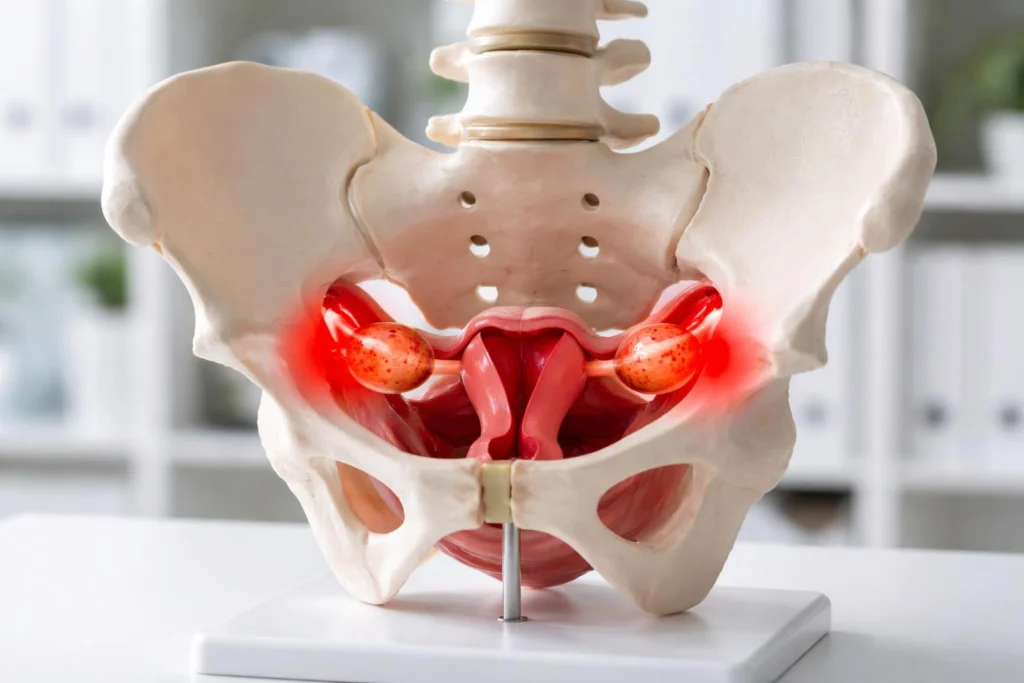
Despite intensive research, the exact causes of endometriosis are not yet fully understood, which means that endometriosis is a disease surrounded by many theories. One of the best known is the theory of retrograde menstruation, which holds that fragments of the uterine lining pass through the fallopian tubes into the abdominal cavity and implant there, forming endometriosis foci. Other theories suggest that endometrial cells may be carried through blood or lymphatic vessels to distant organs, which explains the presence of foci in unusual places. There are also hypotheses about cell metaplasia, that is, cells transforming into endometrial tissue, and about immune disorders that could favour the development of the disease. Identifying the true cause is key to developing more effective treatments.
Genetic and environmental risk factors
Endometriosis is probably the result of a complex interaction between genetic and environmental factors, which points to its multifactorial nature. Research suggests that a tendency to develop endometriosis may be inherited, which means that women with a family history of the disease are at greater risk. Besides genetic predisposition, more and more attention is being paid to the influence of the environment. Exposure to certain chemicals, such as dioxins or pesticides, may increase the risk of endometriosis by affecting hormonal balance and the immune system. Lifestyle, including diet and stress levels, may also play some part, although this requires further research. Understanding these risk factors is important for better diagnosis and prevention of the disease.
The importance of research into the causes of endometriosis
Research into the causes of endometriosis is fundamental to developing more effective strategies for diagnosing and treating this chronic disease. Understanding the mechanisms behind it would make it possible to develop innovative therapies that would not only relieve symptoms but also prevent endometriosis foci from developing and progressing. A deeper understanding of genetic and environmental factors could also open the way to methods of early detection of the disease and even prevention, which would significantly improve the quality of life of millions of patients worldwide. Investing in scientific research in this field is crucial so that in future women with endometriosis can be offered comprehensive and effective solutions to their health problems.