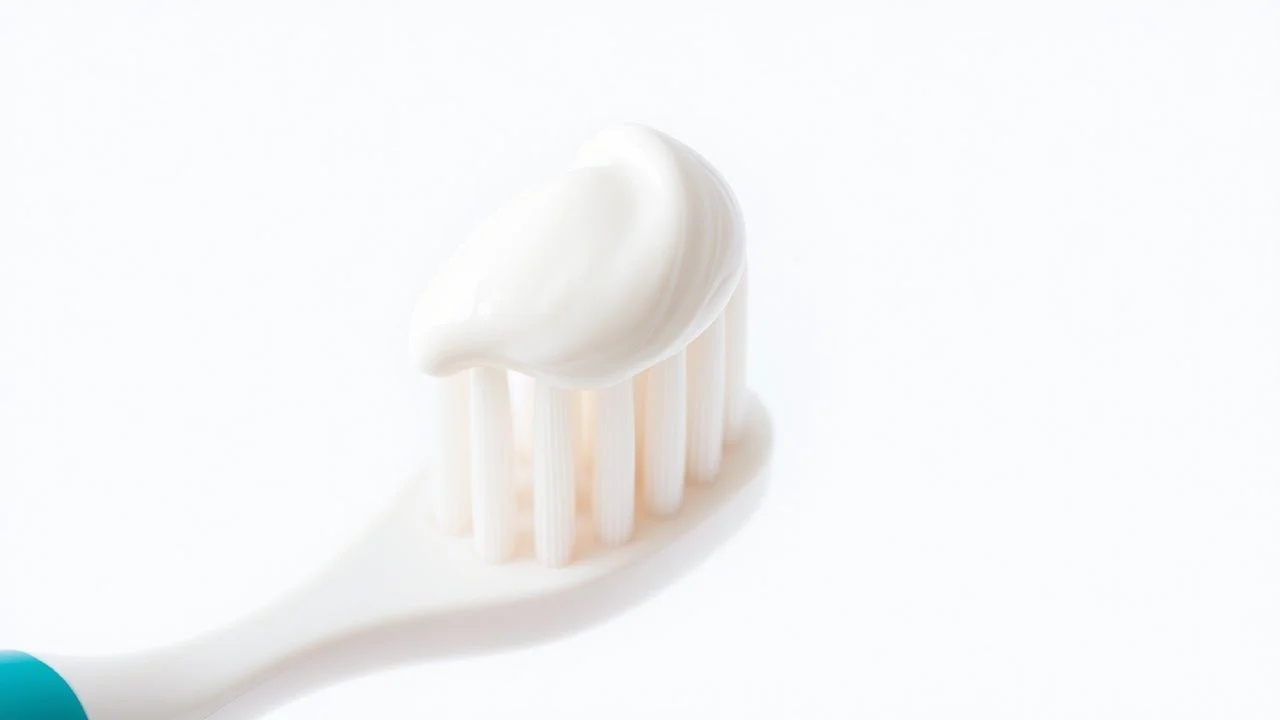
Your smile is your calling card, which is why looking after your oral health matters so much. Brushing your teeth properly is the foundation of daily hygiene, letting you enjoy healthy teeth and gums for many years. In this article we explain how to brush your teeth properly, which brushing technique to choose and why regular oral hygiene is so important. Find out how to brush your teeth properly!
Brushing your teeth properly

Brushing your teeth properly is the key to keeping your mouth healthy. You should brush your teeth regularly, using a suitable toothbrush and toothpaste. Brushing technique matters a great deal – the point is not to brush quickly but, above all, effectively. Brushing properly removes dental plaque and food debris, preventing tooth decay and gum disease.
Why is brushing your teeth properly important?
Brushing your teeth properly is extremely important for your oral health and general wellbeing. It removes food debris and dental plaque, the main causes of tooth decay and gum inflammation. Cleaning your teeth regularly and properly helps prevent tartar build-up, bad breath and more serious dental problems that can lead to tooth loss. Looking after your oral hygiene is an investment in healthy teeth and gums for years to come.
How often should you brush your teeth?
Regular brushing is recommended, and it is especially important to brush at these times:
- In the morning
- In the evening
Brushing after every meal is ideal, but hard to manage during the day. It is important to spend enough time brushing – at least 2 minutes. This way you thoroughly clear the tooth surfaces of plaque and food debris, which helps keep your teeth and gums healthy.
What are the consequences of brushing incorrectly?
Brushing incorrectly can lead to many dental problems. The most common consequences include:
- Tooth decay, which results from not removing plaque thoroughly and leads to cavities in the enamel.
- Gum inflammation, shown by bleeding during brushing and the build-up of tartar.
- Tooth loss, the result of neglecting proper hygiene for a long time and the development of serious periodontal disease.
Brushing technique
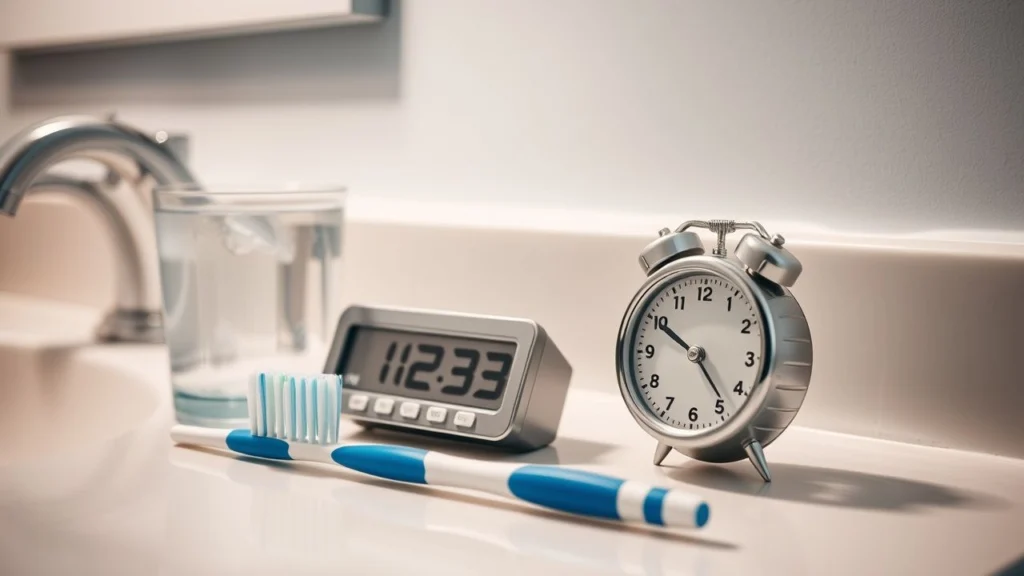
Manual vs electric brushing
The choice between a manual and an electric toothbrush depends on your individual preferences and needs. Manual toothbrushes are widely available and need the right technique to clean your teeth properly. An electric toothbrush, on the other hand, and a sonic toothbrush in particular, makes vibrating movements that help remove plaque more effectively. Some studies suggest that electric toothbrushes may be more effective at improving the health of teeth and gums, especially for people who find manual brushing technique difficult. It is worth asking your dentist which toothbrush will be best for your oral health.
How to brush your teeth properly
Brushing your teeth properly is the foundation of daily oral hygiene. Brush using gentle, circular movements, trying to reach every surface of your teeth. It is important to hold the brush at a 45-degree angle to the gum line to remove plaque and food debris effectively. Don’t forget to clean your tongue, as bacteria build up there too. Brushing regularly and properly helps prevent tooth decay, gum disease and bad breath, which means healthy teeth and gums.
Brushing time – how long should it take?
The recommended brushing time is at least 2 minutes. That is how long proper brushing should take. To make it easier, keep a few rules in mind:
- Divide your mouth into four quarters and
- spend about 30 seconds on each of them.
Remember that it is not only brushing time that counts, but technique too. Use a fluoride toothpaste to strengthen tooth enamel and prevent decay. After brushing, rinse your mouth with water.
Toothbrushes and toothpaste
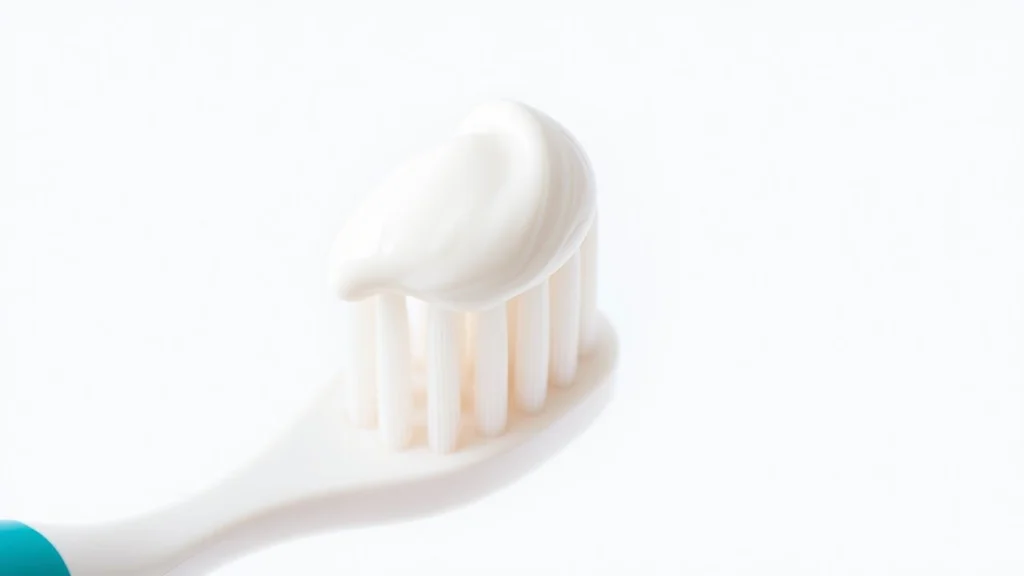
Which toothbrush should you choose?
The choice of toothbrush is crucial for your oral health. Both manual and electric toothbrushes are available. When choosing a manual toothbrush, pay attention to how soft the bristles are. They should be gentle so as not to irritate your teeth and gums. An electric toothbrush, especially a sonic one, may be more effective at removing plaque, but takes some getting used to. Check that the brush head is easy to replace.
Types of toothpaste and what they are for
Choosing a toothpaste is just as important as choosing a toothbrush. There are toothpastes for sensitive teeth, whitening toothpastes and fluoride toothpastes that strengthen tooth enamel. If you have problems with your gums, choose a toothpaste with an anti-inflammatory action. Remember to use the right amount of toothpaste – a pea-sized amount is enough. Your toothpaste should suit the individual needs of your teeth.
How to look after your toothbrush
Looking after your toothbrush is key to keeping your mouth healthy. After each brushing, rinse the bristles thoroughly under running water to remove food debris and toothpaste. Store your toothbrush upright so that it can dry freely. Replace your toothbrush regularly, at least once every three months, or more often if the bristles are worn. Avoid keeping your toothbrush in closed containers, as this encourages bacteria to grow.
Daily oral hygiene
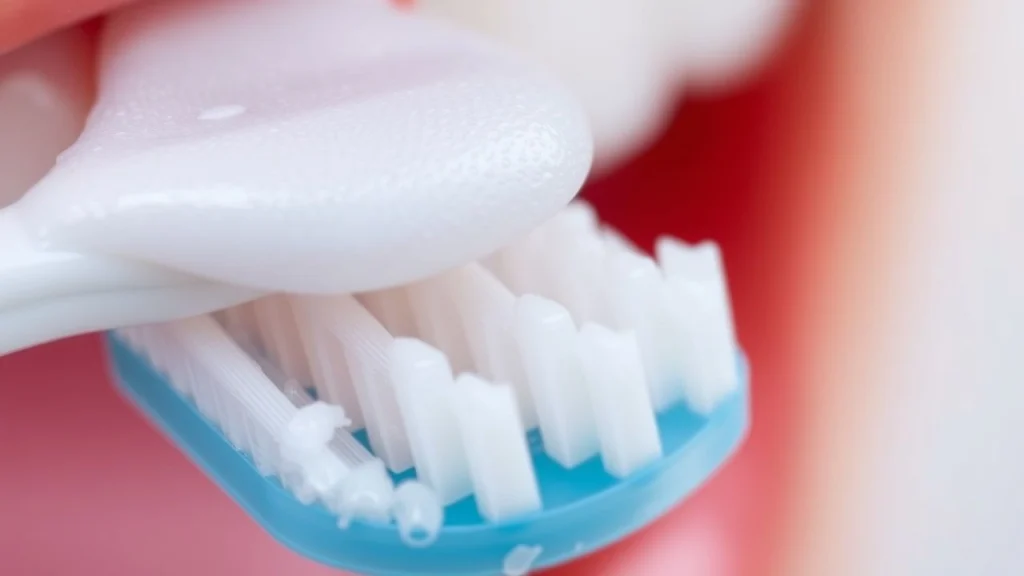
Cleaning your tongue as part of hygiene
Cleaning your tongue is an important part of daily oral hygiene. Bacteria build up on the tongue, which can cause bad breath and affect your oral health. Use a special tongue scraper or gently brush your tongue with your toothbrush. Cleaning your tongue helps remove bacteria and debris, which contributes to fresher breath and a better sense of taste. Remember to do it gently so as not to irritate your tongue.
Why flossing matters
Flossing is extremely important because it removes plaque and food debris from the spaces between the teeth, which a toothbrush cannot reach. Flossing helps prevent tooth decay and gum disease. To floss properly, gently insert the floss between your teeth and sweep the debris up and down along the outer surfaces of the teeth. Do it gently so as not to damage your gums. Floss at least once a day, preferably in the evening.
How to enjoy a healthy smile
To enjoy a healthy smile, brush your teeth properly at least twice a day, use a fluoride toothpaste and floss regularly. It is also important to see your dentist regularly for check-ups and professional cleaning. Avoid having lots of sugary drinks and snacks, which encourage tooth decay. Healthy teeth and gums are an investment in your oral health and general wellbeing. Remember that brushing technique matters a great deal.