Dental floss: how to floss your teeth and look after dental hygiene
We invite you to read this article about dental floss and its role in keeping your mouth healthy. You will learn why flossing is so important, what types of dental floss there are and how to floss properly so that you can enjoy a beautiful, healthy smile every day.
Why floss your teeth?
Flossing is a key part of daily oral hygiene, and doing it regularly brings many benefits. Dental floss removes food debris and plaque from the hard-to-reach spaces between the teeth that a toothbrush cannot get to, supporting the health of your teeth and gums.
The benefits of using dental floss
Regular flossing is an investment in your oral health. Dental floss helps remove food debris and plaque from the spaces between the teeth, minimising the risk of tooth decay and gum disease. Flossing properly supports daily oral hygiene, giving you fresh breath and healthy periodontal tissues.
Oral hygiene and dental health
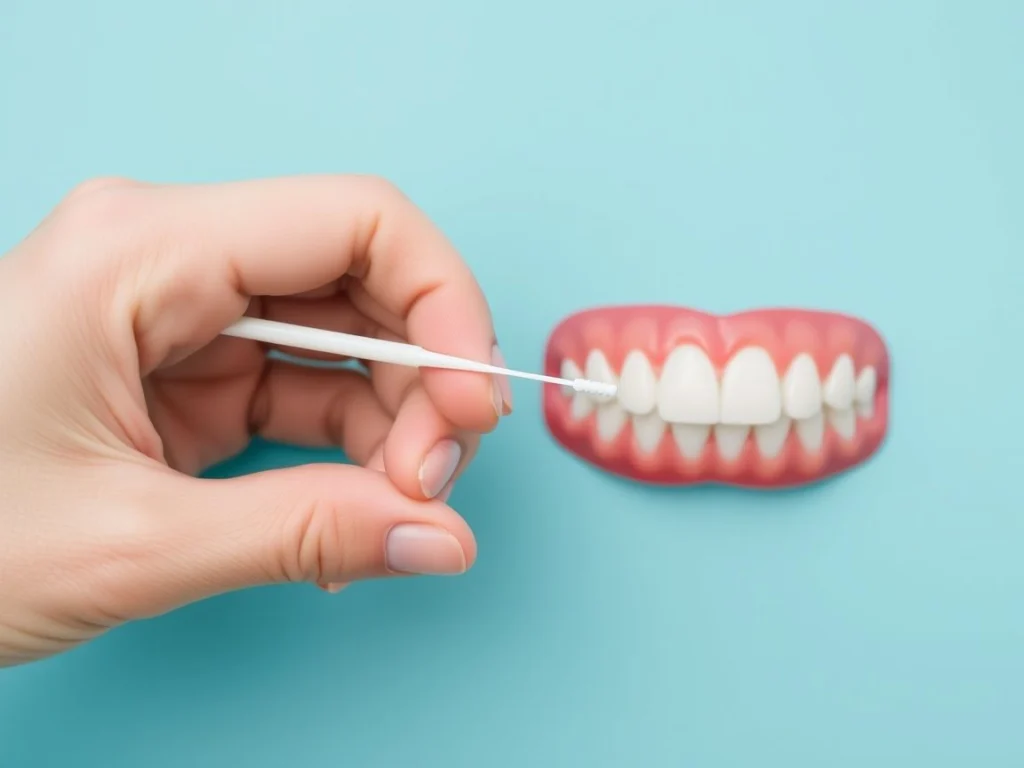
Good oral hygiene has a direct effect on the health of your teeth and gums. Regular brushing combined with flossing removes food debris and plaque, preventing tooth decay and gum inflammation. Thorough hygiene is the foundation of a healthy smile.
Tooth decay and gum disease
Not flossing regularly increases the risk of tooth decay and gum disease. Food debris left in the spaces between the teeth feeds bacteria, which produce acids that damage tooth enamel and cause gum inflammation. Flossing helps remove the debris and prevents these problems.
Types of dental floss
Choosing the right dental floss is crucial for effective flossing. Dental floss comes in different varieties, including waxed, unwaxed and fluoride floss, as well as specialist flosses such as orthodontic floss. The types of dental floss differ in thickness and structure, so they can be matched to individual needs.
Which floss should you choose?
Your choice of dental floss should depend on your individual needs and preferences. When choosing, it is worth looking at several types of floss, as each has its own particular advantages:
- Waxed floss is easier to insert between the teeth, especially where teeth are crowded.
- Fluoride floss supports enamel remineralisation.
- People who wear orthodontic braces should choose Superfloss orthodontic floss.
Types of dental floss
Dental floss comes in many varieties. You can choose from many options, such as:
- waxed floss, which slides between the teeth more easily,
- unwaxed floss, which grips better and cleans the tooth surface more thoroughly.
The choice depends on your preferences, but fluoride floss, dental tape and Superfloss-type floss are also available.
Orthodontic vs standard floss
People who wear orthodontic braces need a special dental floss that makes it easier to clean the hard-to-reach areas around the brackets and wires. Orthodontic floss, often of the Superfloss type, has a stiff end that makes it easier to thread the floss between the parts of the brace, whereas ordinary floss can be difficult to use.
Flossing properly
How to floss your teeth properly
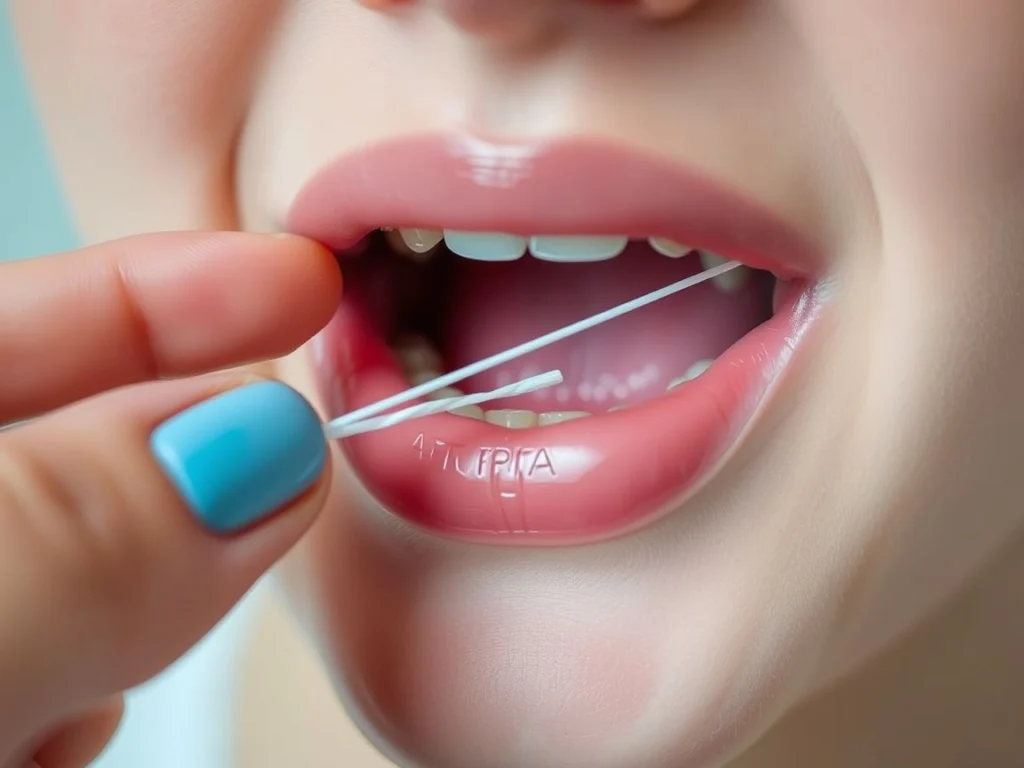
To floss properly, use about 45 cm of dental floss. Wrap the floss around your index fingers, leaving a few centimetres to work with. Gently ease the floss between your teeth with a sawing motion, so as not to damage your gums. Remember that regular flossing supports your oral health.
Flossing techniques
There are different flossing techniques, but the key is to insert the floss gently between the teeth and to clean the contact surfaces of the teeth thoroughly. Curve the floss into a "C" shape around each tooth to remove food debris and plaque. Gentle up-and-down movements will help clean thoroughly.
The most common flossing mistakes
When flossing, it is easy to make mistakes that can lead to gum irritation or ineffective cleaning. To avoid the most common problems, pay attention to a few points:
- Forcing the floss between the teeth too hard can damage the gums.
- Skipping the back teeth means food debris is not removed from hard-to-reach places.
Flossing once a day minimises the risk of mistakes.
Alternatives to dental floss
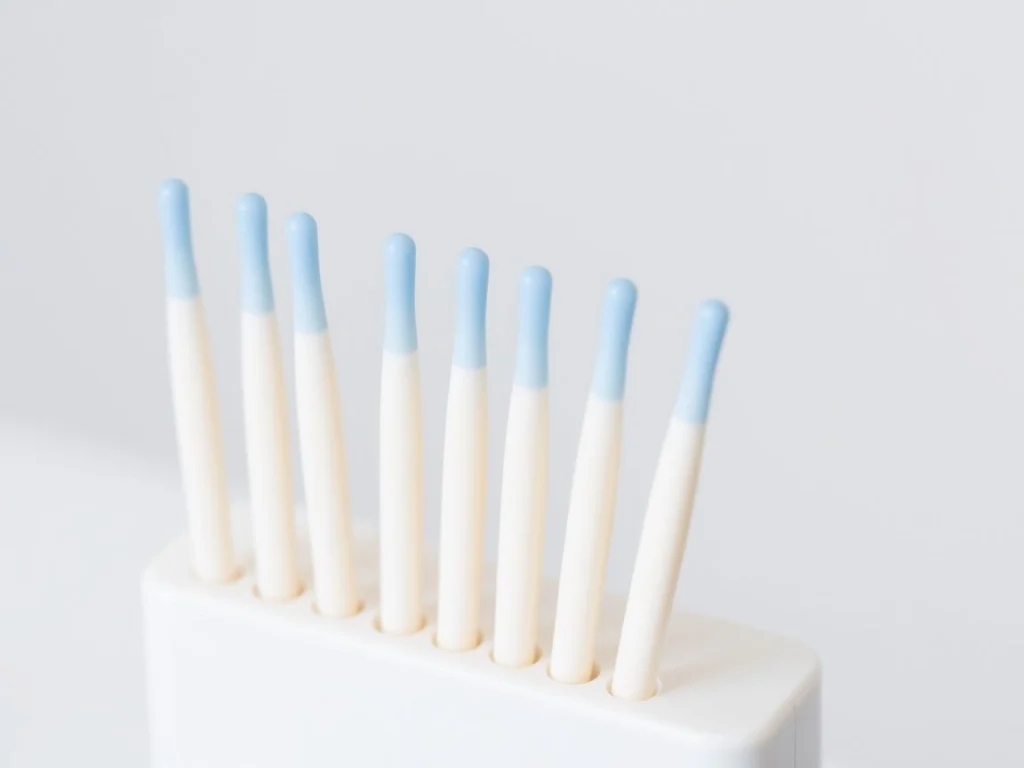
A water flosser as an option
A water flosser (oral irrigator) is an alternative to dental floss, especially for people who find flossing by hand difficult. It rinses away food debris and plaque with a pressurised jet of water, reaching the spaces between the teeth and massaging the gums. A water flosser supports daily oral hygiene.
Other ways to clean between the teeth
Besides dental floss and water flossers, there are other ways to clean between the teeth, such as interdental brushes. These brushes come in different sizes and shapes, so they can thoroughly remove food debris and plaque from the spaces between the teeth. The choice of method depends on individual needs.
The role of the toothbrush in daily oral hygiene
A toothbrush is the basic tool of daily oral hygiene. Regular brushing helps remove plaque and food debris from the surfaces of the teeth. Choose toothbrushes with soft bristles so as not to irritate your gums, and brush gently to protect your oral health.
Daily oral hygiene
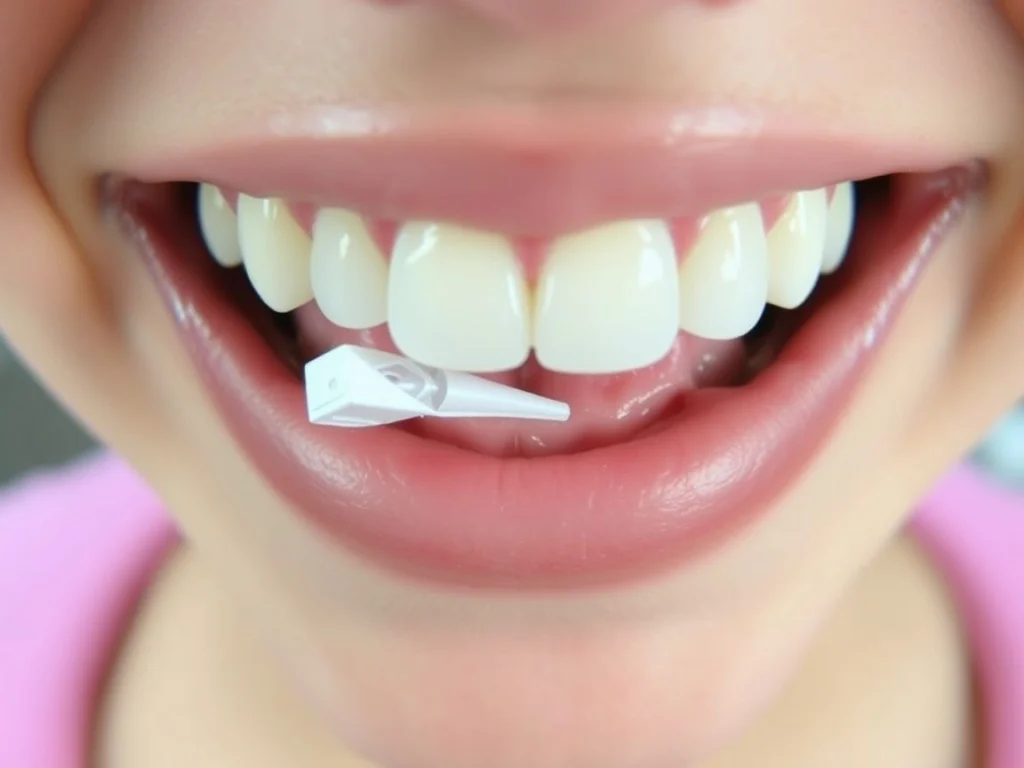
Brushing and flossing
Brushing and flossing are the two key elements of daily oral hygiene. Brushing removes plaque from the surfaces of the teeth, and flossing removes food debris and plaque from the spaces between them. Together they give your teeth and gums complete protection.
Why regular hygiene matters
Regularity is key to keeping your mouth healthy. Daily brushing, flossing and rinsing with an antibacterial mouthwash help prevent tooth decay and gum disease. Remember that regular visits to the dentist are also important for your oral health.
An oral care plan
An oral care plan will help you keep a healthy smile. It should include brushing twice a day, flossing once a day, rinsing with an antibacterial mouthwash and regular visits to the dentist. A plan like this keeps your teeth and gums healthy.