
Hypothyroidism – symptoms and treatment, Hashimoto’s and the thyroid
Nowadays, when life moves at a dizzying pace, it is easy to miss the subtle signals our body sends us. Hypothyroidism, often insidious and hidden, can affect many aspects of our health and wellbeing. Understanding its symptoms, causes and the available treatments is essential for staying fully fit and enjoying a comfortable life. We would like to explain this important subject so that you can take informed care of your thyroid.
Hypothyroidism – symptoms
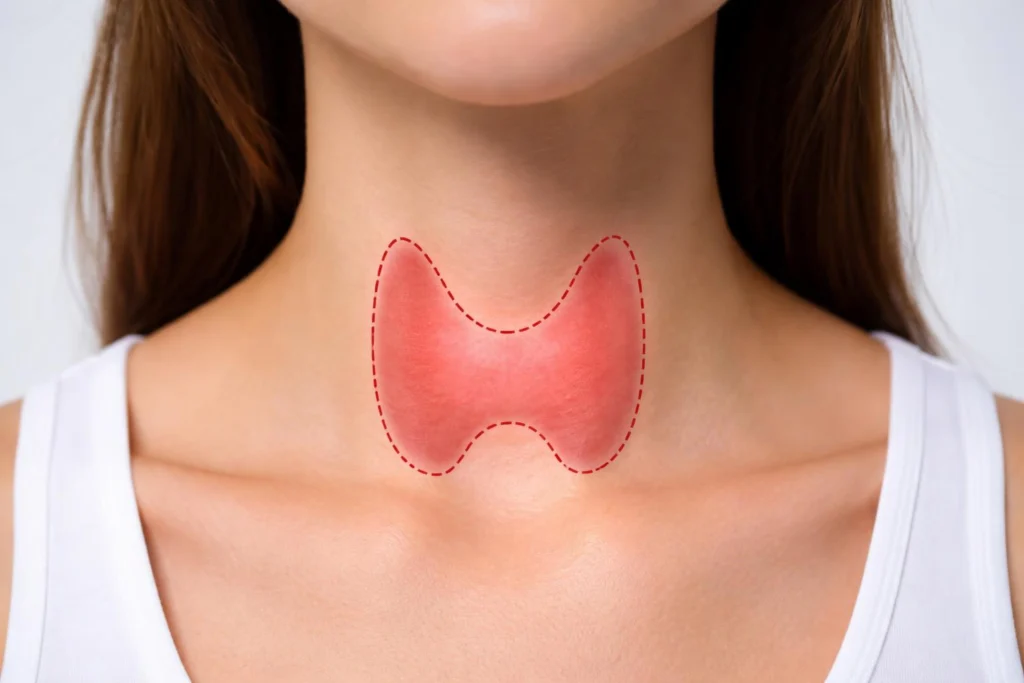
Hypothyroidism is a condition in which the thyroid gland does not produce enough thyroid hormones, which slows down metabolic processes throughout the body. Recognising the symptoms of hypothyroidism is the first, extremely important step towards effective treatment. Although the symptoms can be varied and are often non-specific, being aware of them allows early diagnosis and appropriate treatment, minimising the harmful effects on the patient’s health.
Typical symptoms of hypothyroidism
Some of the most typical symptoms of hypothyroidism, which should prompt a visit to your GP, are:
- chronic fatigue, excessive sleepiness and difficulty maintaining a healthy body weight,
- poor tolerance of cold, dry and flaky skin, as well as hair loss and brittle nails.
Psychological and emotional symptoms
Hypothyroidism also has a significant effect on the patient’s mental and emotional wellbeing. Commonly observed symptoms include:
- mood swings, irritability,
- difficulty concentrating and remembering.
Some people may develop depressive symptoms, apathy and a general loss of motivation. Recognising these psychological and emotional symptoms in the context of the thyroid is essential, because they are often mistaken for other conditions, which delays proper treatment of hypothyroidism and an improvement in wellbeing.
Digestive symptoms
Among the symptoms associated with hypothyroidism, those affecting the digestive system cannot be overlooked. Patients often complain of chronic constipation, bloating and a feeling of fullness. Proper diagnosis, including a TSH test and a consultation with an endocrinologist, will make it possible to identify the causes of these complaints and start appropriate treatment, improving the quality of life of patients with hypothyroidism.
Diagnosing hypothyroidism

The diagnostic process
When hypothyroidism is suspected, the diagnostic process has several stages and begins with a detailed medical history. It is essential to report any worrying symptoms, even those that seem unrelated to the thyroid. This is followed by a physical examination, which may include palpation of the thyroid gland. The whole process aims to gather comprehensive information that will guide further tests and make it possible to diagnose hypothyroidism correctly.
Laboratory tests
To confirm hypothyroidism, the key tests are laboratory blood tests, in particular measuring the level of TSH. Free thyroid hormone levels, T3 and T4, are also often measured. In the diagnosis of autoimmune thyroiditis, or Hashimoto’s disease, tests are also done for antithyroid antibodies, such as anti-TPO and anti-TG. In some patients the diagnosis also includes a thyroid ultrasound, which allows the structure and size of the gland to be assessed.
Interpreting the results
Interpreting laboratory test results requires the knowledge and experience of an endocrinologist. A raised TSH level with normal or low levels of the free thyroid hormones T3 and T4 indicates hypothyroidism. The presence of antithyroid antibodies, especially anti-TPO, may indicate autoimmune thyroiditis, or Hashimoto’s disease, which is the most common cause of hypothyroidism. A correct diagnosis is the foundation of effective treatment and a better quality of life for patients with hypothyroidism.
Treatment of hypothyroidism

Medication
The mainstay of treatment for hypothyroidism is medication: making up for the thyroid hormone deficiency every day by taking synthetic levothyroxine. The dose is tailored strictly to each patient by the endocrinologist. Taking the medicine regularly is essential for the thyroid to function properly. Treatment of hypothyroidism is usually lifelong, and it allows you to function normally and get rid of unpleasant symptoms.
Lifestyle changes
Besides medication, an important part of treating hypothyroidism is lifestyle changes that can support thyroid function and improve the patient’s overall wellbeing. A healthy, balanced diet rich in iodine, selenium and zinc is recommended. Regular physical activity is also important, as it supports metabolism and helps maintain a healthy body weight. Reducing stress and getting enough sleep also have a positive effect on how the gland works. Understanding that hypothyroidism is a chronic disease makes it possible to take a comprehensive approach to health.
Monitoring the progress of treatment
Monitoring the progress of treatment is essential to ensure the optimal dose of thyroxine and keep thyroid hormone levels normal. Regular appointments with an endocrinologist and laboratory tests, especially checking TSH levels, are essential. The endocrinologist assesses how the patient feels and whether any symptoms of hypothyroidism persist, so as to adjust the dose of the medicine. This approach ensures effective treatment of hypothyroidism and minimises the risk of complications related to hormone deficiency.
Hashimoto’s disease

Causes of Hashimoto’s disease
Hashimoto’s disease, also known as autoimmune thyroiditis, is the most common cause of hypothyroidism. It is a chronic condition in which the immune system mistakenly attacks healthy thyroid cells, gradually destroying the gland and consequently causing a thyroid hormone deficiency. The causes of Hashimoto’s are complex and include both genetic predisposition and environmental factors. Diagnosing Hashimoto’s disease is essential for starting appropriate treatment.
Symptoms of Hashimoto’s disease
The symptoms of Hashimoto’s disease are often non-specific at first and may develop slowly, which makes early diagnosis difficult. Because it is an autoimmune disease that leads to hypothyroidism, patients may experience the typical symptoms of hypothyroidism, such as chronic fatigue, weight gain, constipation, dry skin, hair loss and cold intolerance. In the early phase the thyroid may be enlarged. Proper diagnosis and treatment are essential to improve the quality of life of patients with Hashimoto’s.
Diagnosis and treatment of Hashimoto’s
The diagnosis of Hashimoto’s disease is based on laboratory tests, including measuring the levels of TSH, the free thyroid hormones (T3 and T4) and antithyroid antibodies (anti-TPO and anti-TG). A raised TSH level together with the presence of antibodies confirms the diagnosis. In addition, a thyroid ultrasound makes it possible to assess changes in the structure of the gland. Treatment of Hashimoto’s, like treatment of hypothyroidism, relies mainly on medication, that is, taking synthetic thyroxine every day. Regular monitoring of TSH and T4 levels is essential for adjusting the dose and ensuring the thyroid functions properly.
Autoimmune thyroid diseases

Types of autoimmune thyroid disease
Autoimmune thyroid diseases are a complex group of conditions in which the immune system attacks the thyroid’s own tissues. The best known and most important in this group are:
- Hashimoto’s disease, which leads to hypothyroidism,
- Graves’ disease, characterised by hyperthyroidism.
Identifying the specific type of autoimmune thyroiditis is essential for putting the right treatment plan in place, because each of these diseases has its own specific symptoms and requires a different therapeutic approach.
The role of the immune system
The immune system plays a central role in the development of autoimmune thyroid diseases. In these conditions, for unexplained reasons, immune tolerance is lost, resulting in an attack on the thyroid gland. The production of antibodies directed against various components of the thyroid is characteristic. This autoimmune activity damages the gland, which leads to disorders of thyroid hormone production, either too little or too much.
Treatment options
The treatment options for autoimmune thyroid diseases vary and depend on the type of condition and how advanced it is. In Hashimoto’s disease, the mainstay is making up for the thyroid hormone deficiency with synthetic thyroxine. In Graves’ disease, antithyroid medicines and radioactive iodine are used, and sometimes it is even necessary to remove the thyroid. A holistic approach to the patient is important, covering not only medication but also lifestyle changes, an appropriate diet and stress management. Regular monitoring of TSH and T4 levels is essential to ensure the thyroid functions properly and to avoid unwanted complications.