
Sciatica is a common complaint that can significantly lower quality of life. Understanding its symptoms, causes and the treatments available is key to dealing effectively with the condition. In this article we take you through all the important aspects of sciatica so that you can make informed decisions about your health.
Symptoms of sciatica

Sciatica is a set of neurological symptoms resulting from compression or irritation of the sciatic nerve, which is the longest and thickest nerve in the human body. Sciatica usually causes severe pain that radiates from the lumbar spine along the lower limb, showing itself as nagging pain. Understanding these symptoms is the first step towards effective treatment and getting back to a comfortable life.
Typical pain symptoms
A typical symptom of sciatica is sudden, sharp pain in the lower back, which often gets worse with movement, coughing or sneezing. Patients describe it as piercing, burning or throbbing. This pain usually appears in the lumbar spine and is a key diagnostic clue, signalling a problem with the sciatic nerve.
Radiating pain
Characteristic of sciatica is pain radiating from the buttock along the back of the thigh, down to the calf and foot. This is the result of pressure on the sciatic nerve, which runs through these areas. The intensity of this radiating pain can vary and often points to a specific cause of sciatica that needs specialist diagnosis.
Accompanying symptoms
Apart from pain, a sciatica attack may come with other neurological symptoms, such as numbness, tingling, muscle weakness and even sensory disturbances in the affected limb. These accompanying symptoms are important in the diagnostic process and help the specialist determine how advanced the condition is and choose the right treatment.
Causes of sciatica

Sciatica is a complex condition whose causes can vary, from structural problems of the spine to conditions directly affecting the sciatic nerve. Understanding what triggers this unpleasant complaint is key to effective treatment and preventing recurrences. Correctly diagnosing the causes of the pain is the first step towards an individual treatment plan that will bring relief and improve quality of life.
Spinal problems
The most common cause of sciatica is pressure on the sciatic nerve resulting from spinal problems, especially in the lumbosacral region. Disc disease, that is, a herniated or bulging intervertebral disc, is one of the main culprits. As the disc loses its shock-absorbing properties, it can press on the nerve roots, causing severe pain that radiates along the course of the sciatic nerve. Other spinal conditions, such as spinal stenosis or degenerative changes, can also cause sciatica.
Conditions of the sciatic nerve
Apart from spinal problems, sciatica can also be caused by conditions of the sciatic nerve itself. Sometimes inflammation, such as viral infections, can irritate the nervous system, leading to the typical symptoms of sciatica, including numbness, tingling and muscle weakness. Tumours, although rare, can also put pressure on the sciatic nerve, causing persistent pain and neurological symptoms. In such cases a thorough examination is needed to rule out more serious conditions.
Sciatica in pregnancy
Sciatica in pregnancy is a common complaint that shows itself as pain in the lumbar spine radiating to the buttock and the back of the thigh. Weight gain, hormonal changes and the pressure of the growing uterus on the sciatic nerve can trigger these unpleasant neurological symptoms. Treating sciatica in pregnancy requires particular care and usually relies on safe methods, such as gentle physiotherapy, suitable exercises and relaxation techniques, to relieve pain without risk to mother and baby.
Treating sciatica
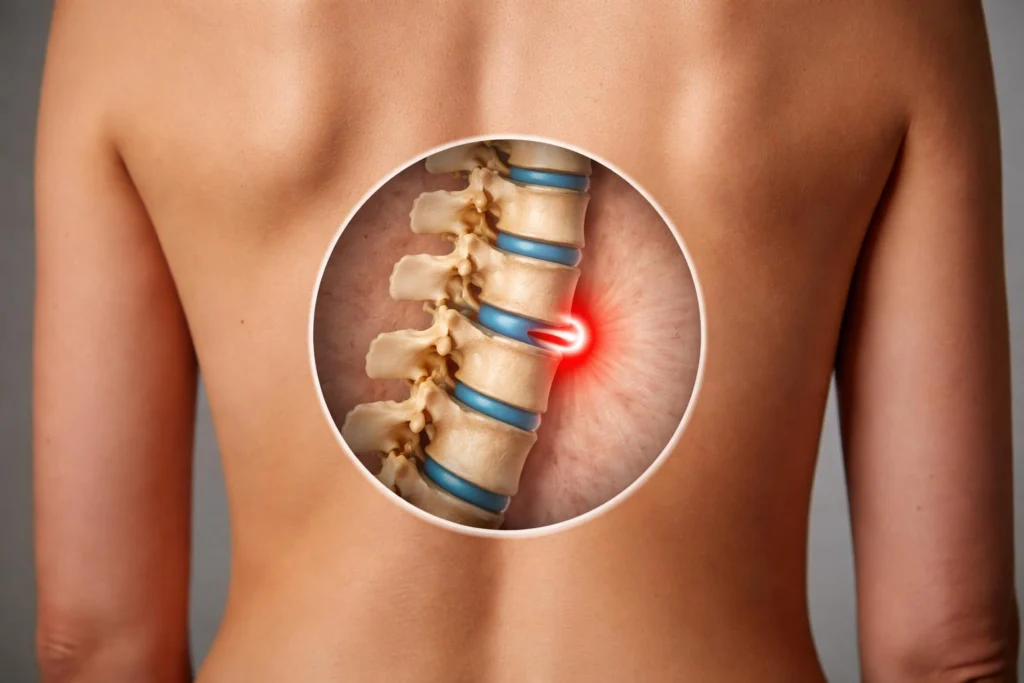
Sciatica is a condition that can significantly affect everyday functioning, which is why treating it effectively is a priority. The approach to therapy depends on the causes of the sciatica, its severity and the patient’s general health. The aim of treatment is not only to relieve pain but also to eliminate the cause, which allows a lasting improvement in quality of life.
Conservative treatment
Conservative treatment is usually the first choice for sciatica, especially when the symptoms are not very severe and there are no serious neurological symptoms. It focuses on relieving pain and supporting the body’s natural healing processes. An individually tailored treatment plan, which includes rest, avoiding movements that make the pain worse and taking suitable medicines, is key to finding relief.
Painkillers and rehabilitation
Sciatica is very often treated with painkillers, which are meant to reduce pain and improve the patient’s comfort. Anti-inflammatory medicines, often given as an injection, also help reduce inflammation of the sciatic nerve. Alongside drug therapy, rehabilitation, including specialist exercises for sciatica, is extremely important, aimed at strengthening the spinal muscles and improving spinal stability.
Surgical treatment
When conservative treatment does not bring the expected results or when sciatica causes serious neurological symptoms, such as marked muscle weakness or sensory disturbances, a specialist may recommend surgery. The procedure aims to relieve the pressure on the sciatic nerve, most often through microdiscectomy, that is, removal of the herniated intervertebral disc that is pressing on the nervous system and causing pain.
Diagnosis and advice for patients

Effective diagnosis is the foundation of treating sciatica, allowing the causes of the pain to be pinpointed and the right therapy to be chosen. Good advice and support for patients are just as important, so that they can take an active part in their recovery and understand their condition. The right education and awareness help in coping with a sciatica attack and preventing it from coming back.
Diagnostic methods
A range of methods is used to diagnose sciatica, making it possible to locate the cause of the pain precisely. The basis is a detailed medical history and a physical examination, during which the range of movement of the lumbar spine is assessed and neurological symptoms are checked. Magnetic resonance imaging (MRI) of the lumbar spine is also often performed, which shows the intervertebral disc and any herniation pressing on the sciatic nerve or the spinal canal.
The physiotherapist’s role in treatment
The role of the physiotherapist in treating sciatica is invaluable. After a thorough assessment of the patient’s condition, the physiotherapist draws up an individual rehabilitation plan that includes a variety of therapeutic techniques. Physiotherapy helps not only reduce pain but also strengthen the muscles that stabilise the spine and improve flexibility and range of movement, which is key to preventing future recurrences of sciatica.
Advice on home treatment
Supportive home treatment plays an important part in recovery after a sciatica attack. Suitable exercises for sciatica, done regularly, can bring considerable relief. It is also important to maintain good posture, avoid sitting for long periods and apply warm or cold compresses to the painful area. Remember to discuss any home treatment with a specialist.