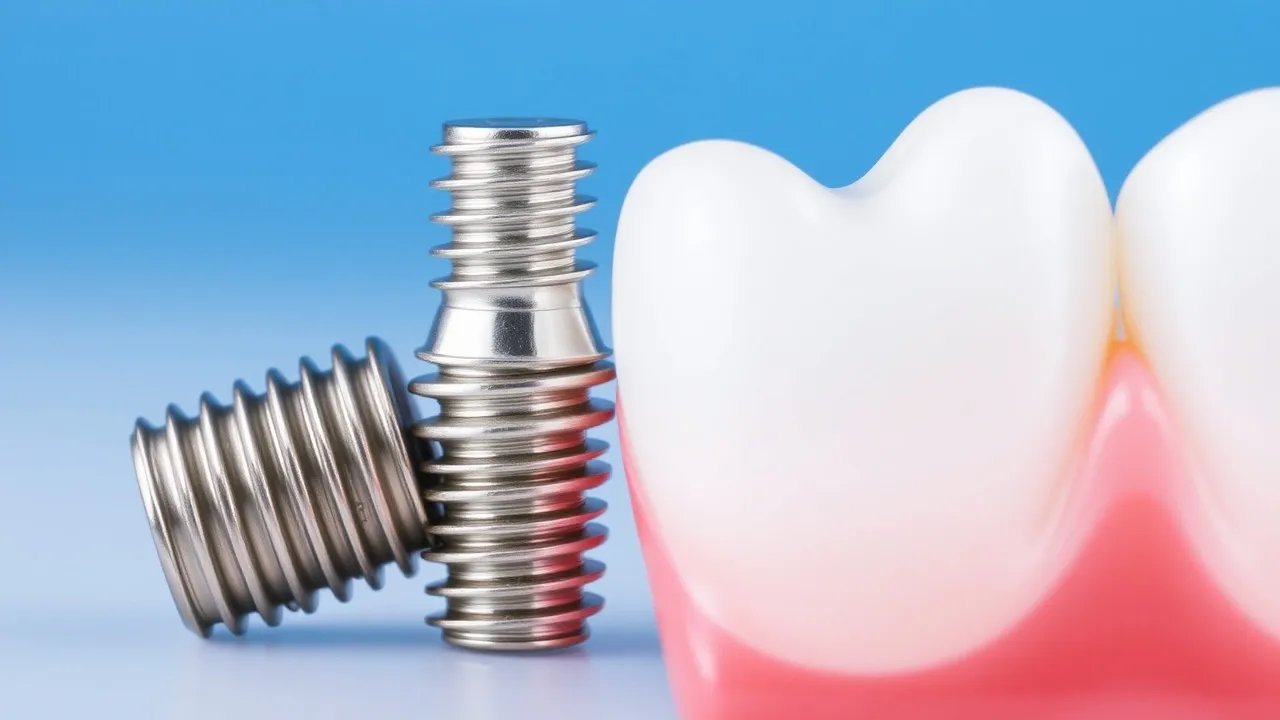
Welcome to the world of modern dentistry, where innovative solutions let you enjoy a beautiful, complete smile again. One of these solutions is the dental implant – a durable and natural-looking way of replacing missing teeth. In this article we explain exactly what a dental implant is, how it works and when it is worth considering one. Read on to clear up your doubts and make an informed decision about your oral health.
What are dental implants?
What a dental implant is
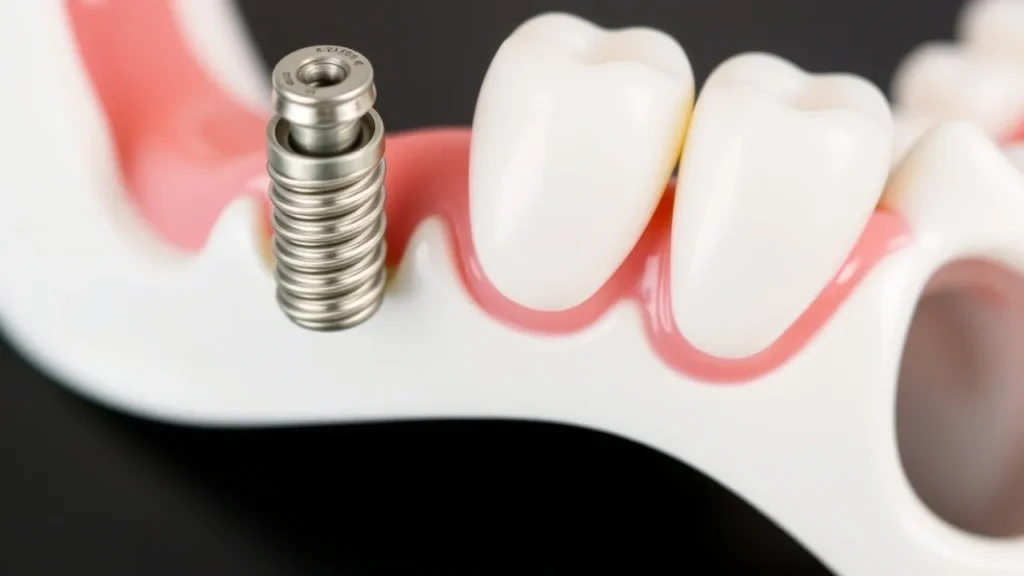
What are dental implants? Put simply, a dental implant is an artificial tooth root, usually made of titanium, that is placed in the bone of the upper or lower jaw. The implant replaces the root of the lost tooth and becomes a solid base for a prosthetic restoration. It mimics a natural tooth root and integrates with the patient’s bone tissue, giving lasting, stable support for a crown.
How dental implants work
Dental implants work through osseointegration, the permanent bonding of the implant with the bone. Once placed, the titanium implant fuses with the bone, forming a stable base. Healing and osseointegration take several months, after which the dentist can move on to the prosthetic restoration, fixing a crown, bridge or denture on the implant. This makes dental implants a durable, stable solution for missing teeth, restoring both function and the look of your smile.
Types of dental implants
Modern implant dentistry offers different types of dental implants, suited to the patient’s individual needs and to the anatomy of the upper or lower jaw bone. The most popular include:
- titanium implants, known for their high biocompatibility and durability,
- zirconia implants, which stand out for their appearance and are recommended especially for people with a metal allergy.
The right type of implant depends on the patient’s health, oral hygiene, the amount and quality of bone tissue, and aesthetic preferences. The dentist decides on the implant during the consultation, after a thorough analysis of the case.
Having a dental implant placed
When should you have an implant?
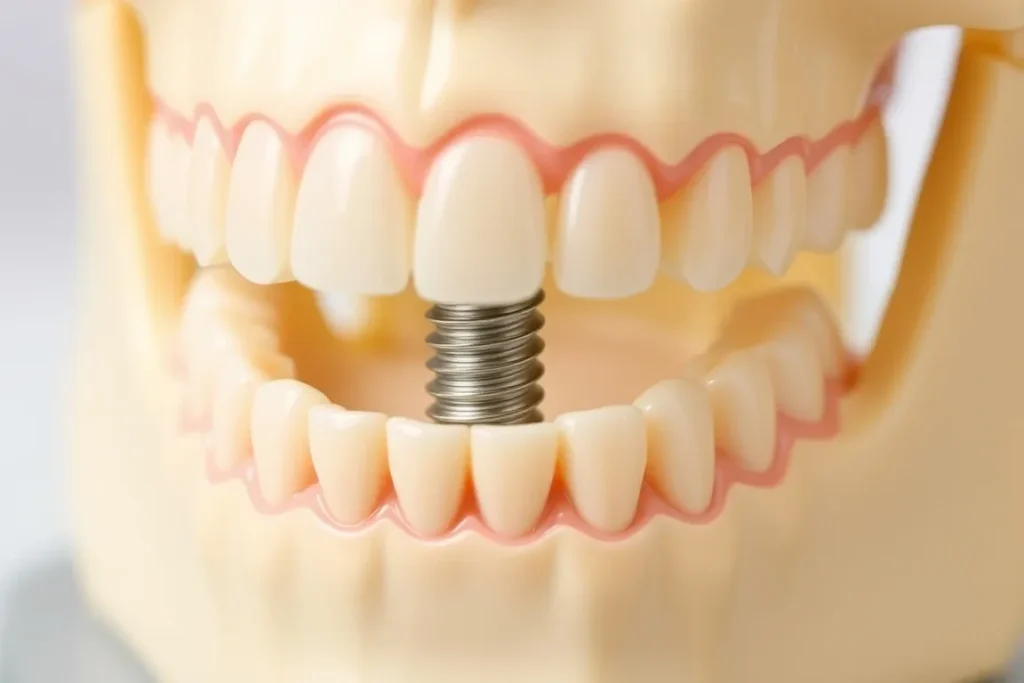
Wondering when the right time is to have a dental implant? Losing a tooth, whatever the cause, can lead to unfavourable changes in the mouth and affect your quality of life. A dental implant is recommended for missing teeth, whether one or several. Dental implants are an excellent solution when you want to avoid grinding down healthy neighbouring teeth, which traditional bridges require. A dental implant is also the ideal solution when losing a tooth leads to bone loss at the gap. Placing an implant early helps preserve the right volume of bone tissue and stops the neighbouring teeth from shifting.
Preparing for an implant
Preparing the patient for an implant is a key stage with a huge influence on the success of the procedure. First of all, the dentist holds a detailed consultation to assess the patient’s health, oral hygiene and the amount and quality of bone at the planned implant site. Imaging, such as a CT scan, is often needed to assess the structure of the upper or lower jaw bone accurately. If there is not enough bone, the dentist may recommend bone augmentation procedures to prepare the bone to receive the implant. It is also important to treat any inflammation in the mouth and to improve oral hygiene.
Aftercare following implant placement
After a dental implant is placed, it is extremely important to follow the dentist’s advice to ensure proper healing and osseointegration. For the first few days after the procedure, eat soft foods and avoid biting on anything hard at the implant site. Keep up your oral hygiene, brushing gently and using the mouthwashes your dentist recommends. It is also important to avoid smoking and to limit alcohol, as both can slow healing. Regular check-ups with your dentist allow osseointegration to be monitored and any complications to be detected early. Remember that durable, healthy dental implants are the result of your care for hygiene and of following the aftercare advice.
Implant treatment
The implant treatment process
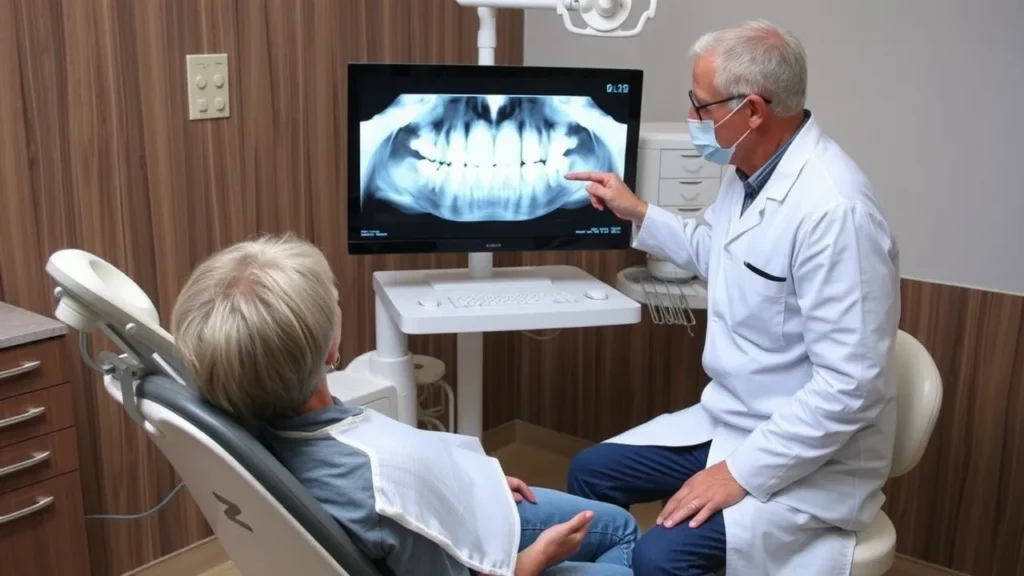
Implant treatment is a complex procedure that requires precision and an individual approach to the patient. It starts with a consultation with the dentist, who assesses the patient’s oral health and the amount and quality of bone tissue. If there is not enough bone, a bone augmentation procedure may be needed. The dentist then places the titanium implant, which over time fuses with the bone through osseointegration. Once this process is complete, a crown matched in shape and colour to the other teeth is fixed on the implant. The whole implant treatment, from consultation to fitting the crown, usually takes several months, but the result is a durable, natural-looking replacement for missing teeth.
Missing teeth and implants
Missing teeth can lead to many problems, such as neighbouring teeth shifting, bone loss where the tooth was lost, and difficulty chewing and speaking. Dental implants are the ideal solution for people who want to replace missing teeth permanently and naturally. Unlike traditional bridges, implants do not require healthy neighbouring teeth to be ground down, which is a huge advantage. A dental implant replaces the root of the lost tooth, stimulating the bone and preventing it from wasting away. Dental implants also give stable support for a crown, which means comfort and confidence when eating and speaking. Whether one tooth or several are missing, dental implants are a modern and effective solution.
The role of the screw in a dental implant
The screw in a dental implant plays a key role in the stability and durability of the whole structure. It is the screw that connects the implant to the crown, providing a strong, stable connection. It is made of titanium, which makes it biocompatible and resistant to corrosion. Thanks to its precise thread, the screw fits the implant perfectly, distributing chewing forces optimally. If the screw is damaged or comes loose, the dentist can easily replace it, which makes any repairs much simpler. Regular check-ups with your dentist allow the condition of the screw to be monitored and any problems to be detected early, which helps the implant last longer. Remember that the screw is an important component that affects how comfortable and safe the implant is to use.