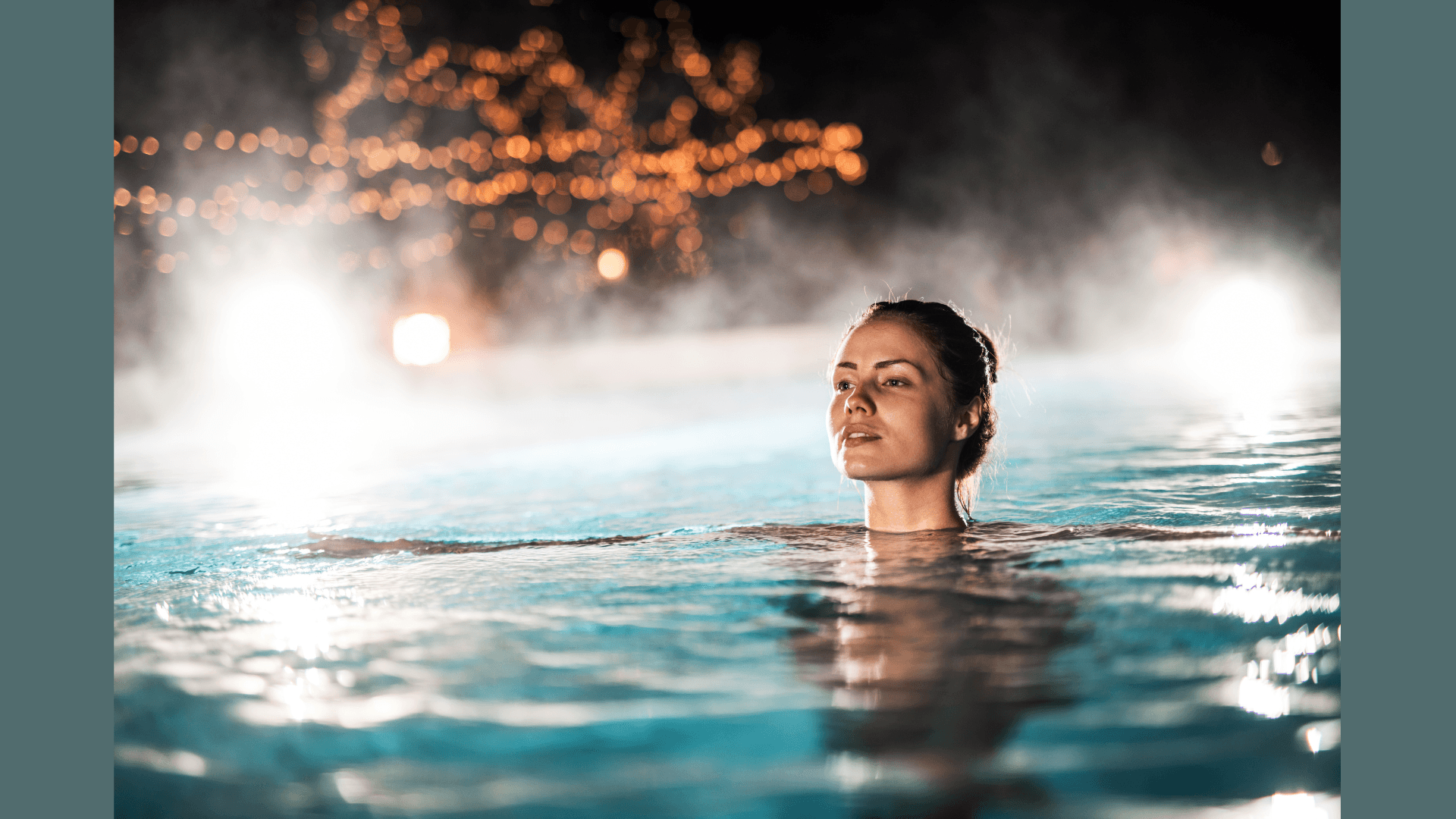
Winter is the perfect time to try morsowanie, or winter swimming – an activity that in Poland is practised mainly in the winter months. The practice, which involves bathing in icy water, is becoming ever more popular. But before you follow the trend, consider whether winter swimming is right for you and what benefits and risks it brings. Do not follow the trend without thinking – read this article so that you can make an informed decision.
Who is winter swimming good for?
Winter swimming is a great form of recreation for many groups of people. It is ideal for physically healthy people, for athletes who want to speed up muscle recovery and for those looking for new challenges and a thrill. It is also a great way to reduce stress for those who struggle with everyday challenges and need a moment to relax.
Winter swimming – contraindications
However, winter swimming is not for everyone. People with heart disease should avoid this activity, as it can put a heavy strain on the circulatory system. People with high blood pressure should also be careful, as sudden changes in temperature can be dangerous. People with asthma need to watch out for bronchospasm and breathlessness, which cold water can trigger. Winter swimming can also be risky for pregnant women and for people with neurological problems, as cold water can make the symptoms of some conditions worse.
The benefits of winter swimming
Winter swimming has many benefits. Above all, it improves blood circulation, which can lead to better oxygenation of the tissues. Regular winter swimming strengthens the immune system, helping to increase resistance to infections. Contact with cold water stimulates the release of endorphins, which improves your mood and reduces stress. For athletes, winter swimming can speed up recovery after intense training, and regular cold-water dips can help the body adapt to low temperatures.
The risks of winter swimming
Winter swimming carries certain risks worth bearing in mind. One of the main risks is hypothermia, an excessive drop in body temperature caused by staying too long in cold water. Sudden changes in temperature can also lead to heart problems, including circulatory disorders and heart rhythm disturbances. Cold water can cause painful muscle cramps, which can be dangerous, especially in the water. Slippery surfaces around winter swimming spots can lead to falls and injuries, increasing the risk of fractures and other injuries.
How to go winter swimming safely
1. Preparation:
◦ See a doctor: Before you start winter swimming, it is worth consulting a doctor to make sure there are no contraindications.
◦ Get used to it gradually: Start with short dips in cool water to get your body used to low temperatures.
◦ Find company – never go winter swimming alone! There are many groups you can join – spending time this way will be much more enjoyable and safer.
2. What to wear:
◦ Swimwear: Choose comfortable swimwear that does not restrict your movement.
◦ Hat and gloves: It is a good idea to get a warm hat and gloves to protect your extremities from the cold.
◦ Water shoes: Wearing special water shoes can help you avoid cuts and falls.
3. In the water:
◦ Body position: Enter the water slowly, avoiding sudden movements. Keep your body in a stable position.
◦ Time in the water: Beginners should spend no more than 1-2 minutes in the water. Over time you can stay in longer.
4. After getting out of the water:
◦ Drying off and warming up: As soon as you get out of the water, dry yourself with a towel and put on warm, dry clothes.
◦ A hot drink: Having a warm drink will help your body warm up quickly.
Breathing during winter swimming
Breathing during winter swimming is very important, as it helps the body adapt to extremely low temperatures and reduces the risk of cold shock. Here are a few tips on breathing during winter swimming:
1. Stay calm: Before entering the water, try to relax and calm your breathing. Avoid fast, shallow breathing, which can lead to hyperventilation.
2. Breathe deeply in and out: As you enter the cold water, concentrate on deep, even breaths in and out. This will help calm your nervous system and ease the feeling of cold.
3. Breathe through your nose: Try to breathe through your nose, which warms the air better before it reaches your lungs.
4. Steady breathing: Keep a regular breathing rhythm. Avoid sharp breaths in and out, which can make you feel uncomfortable.
5. Focus on your breath: Concentrate on your breathing, which will help you stay in control of your body and mind in extreme conditions.
Winter swimming can bring many health benefits, but it is important to approach it carefully and well prepared. Remember that it is not an activity for everyone, so it is always worth consulting a doctor before you begin this adventure.